BY LUNA HAVERKORN
What if an object doesn’t tell you how to use it?
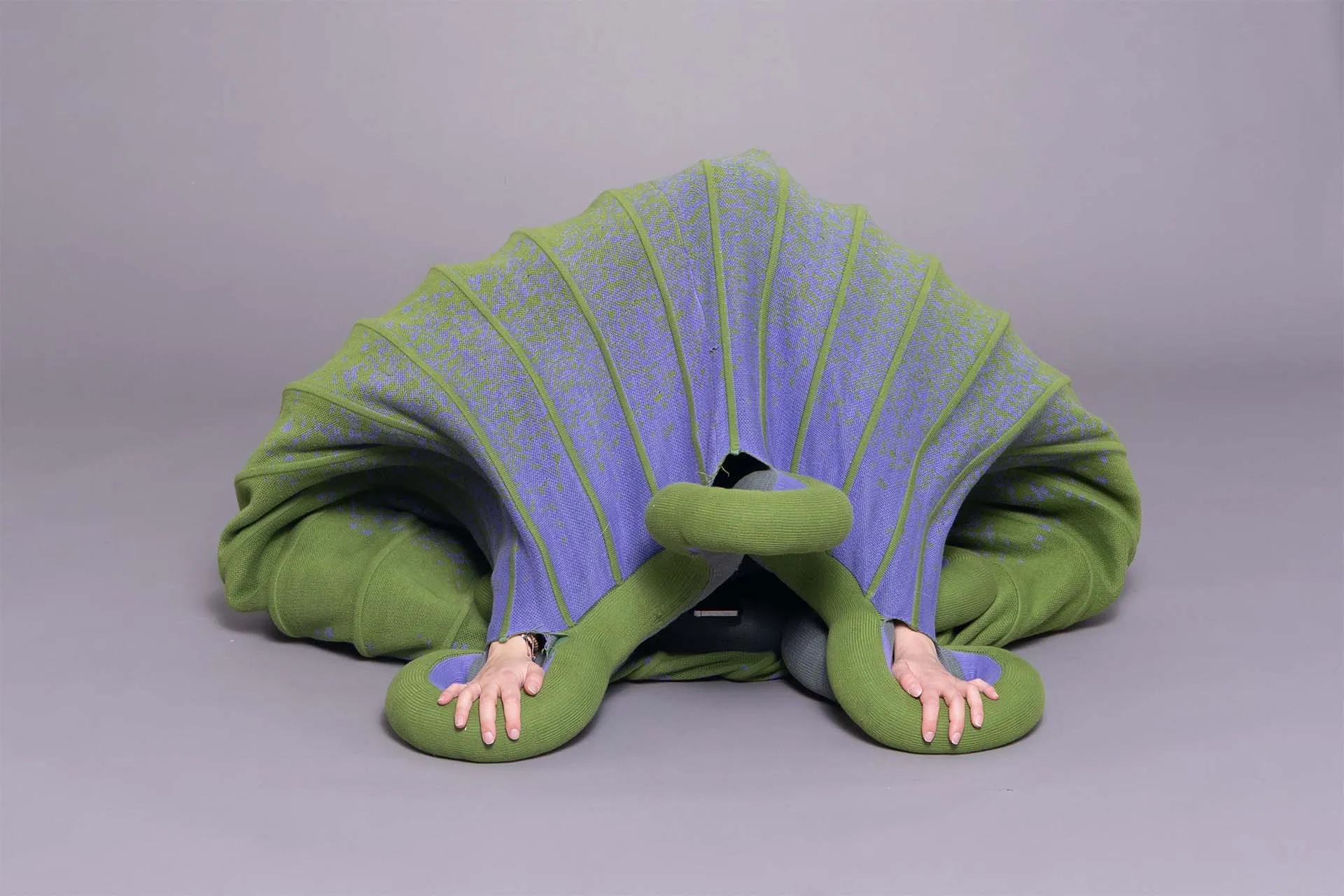
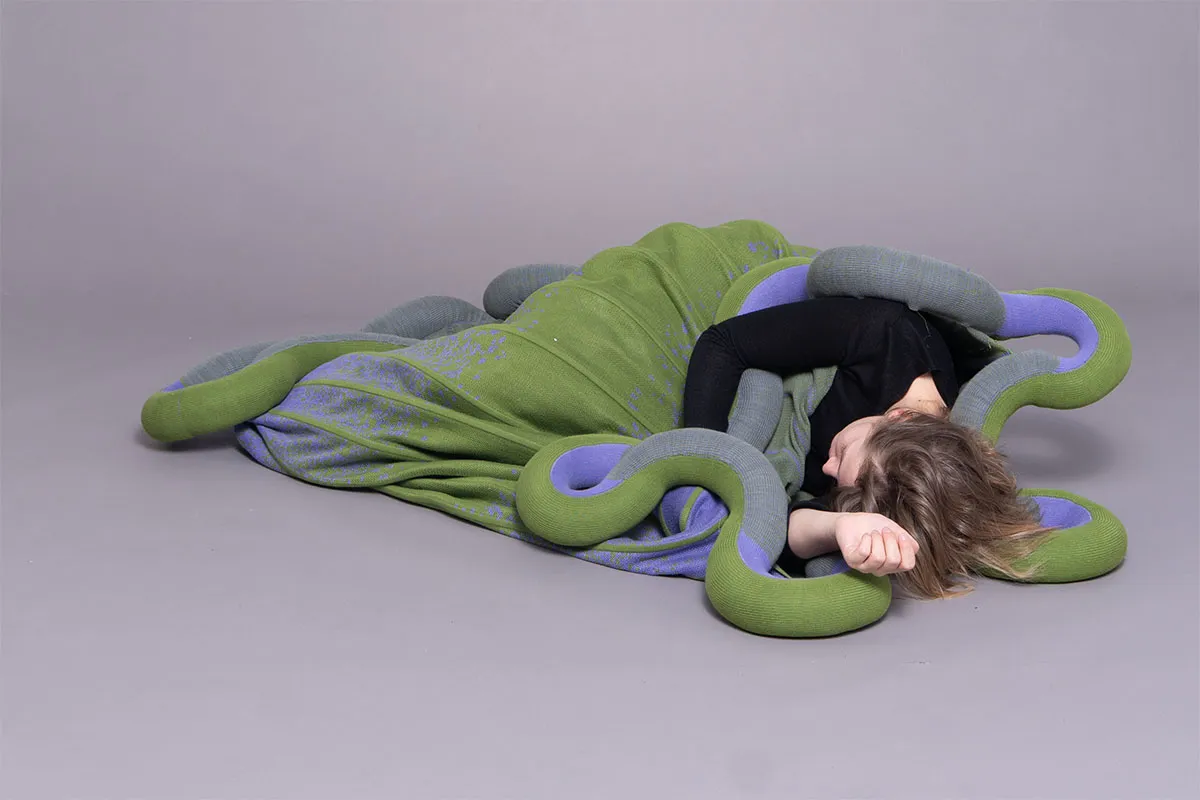
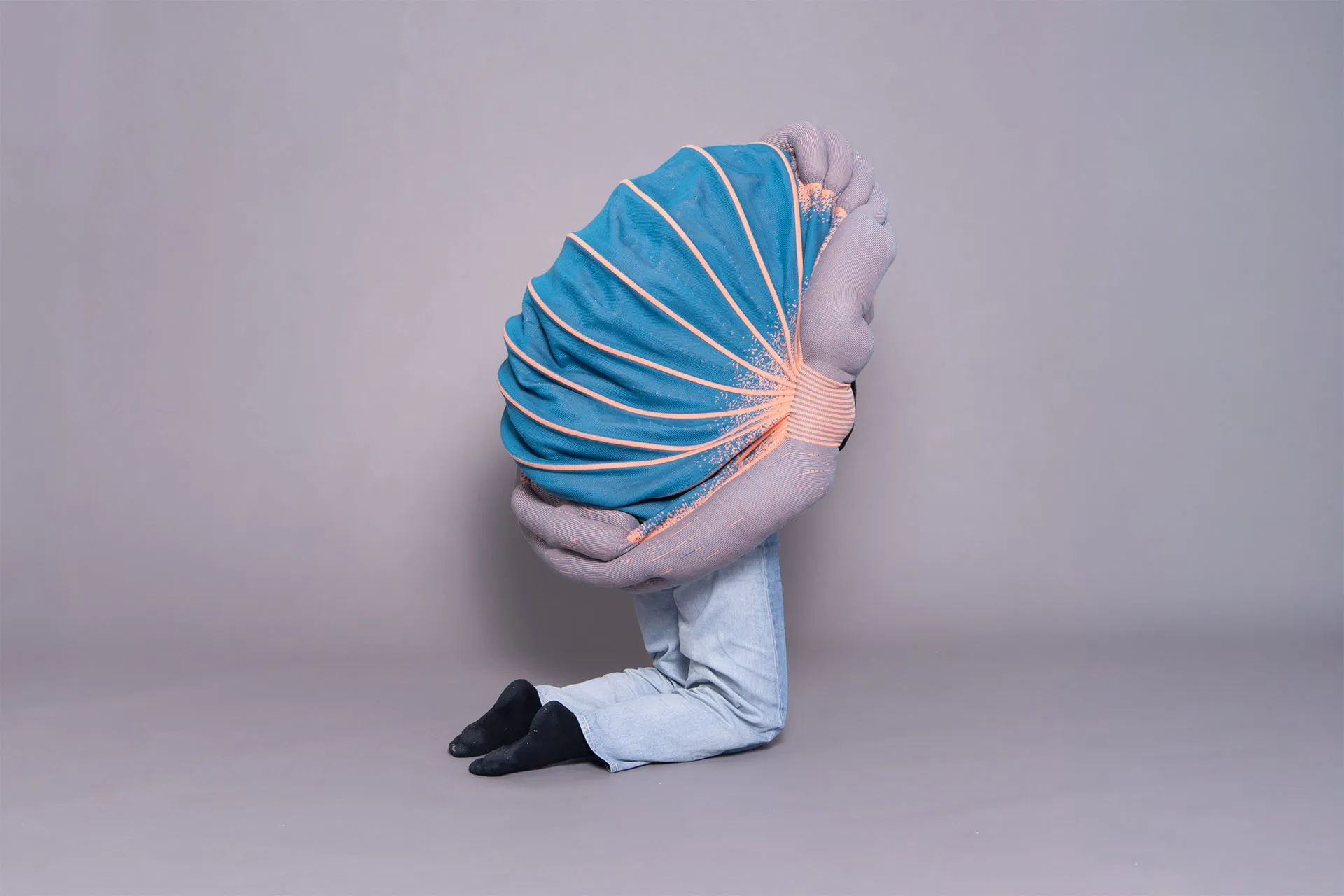
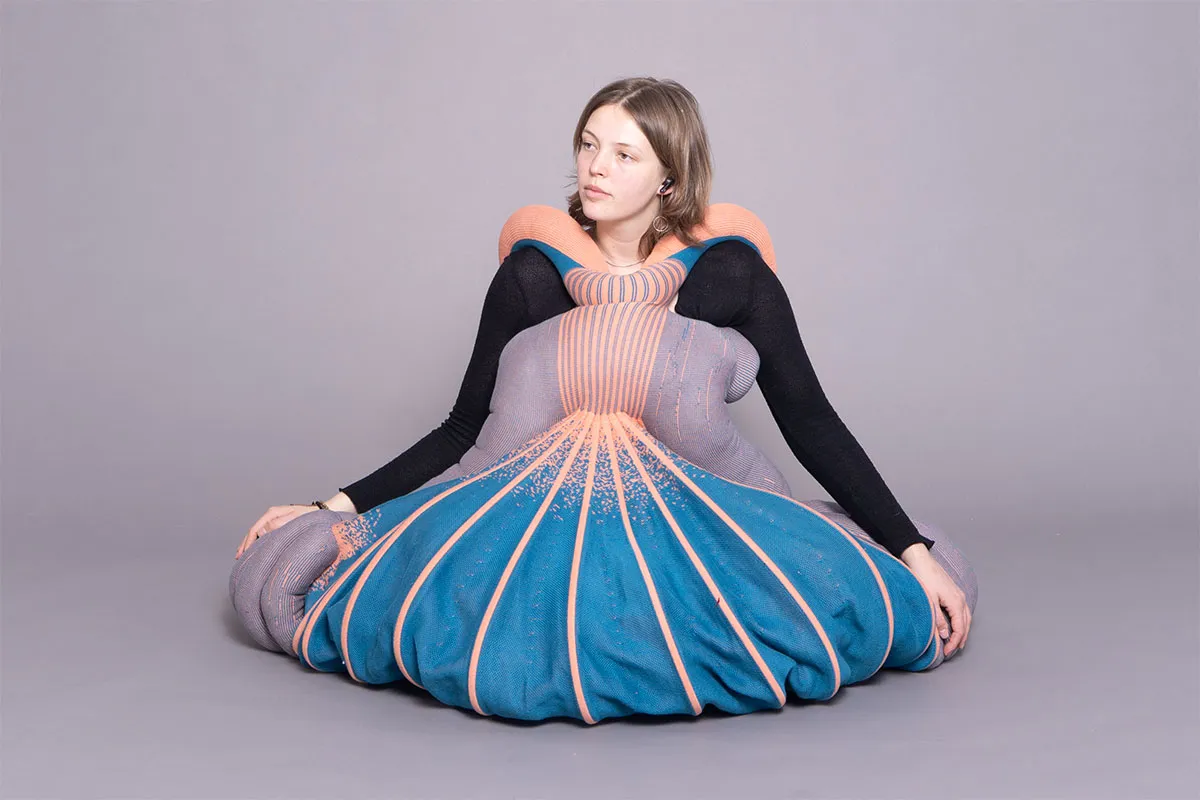
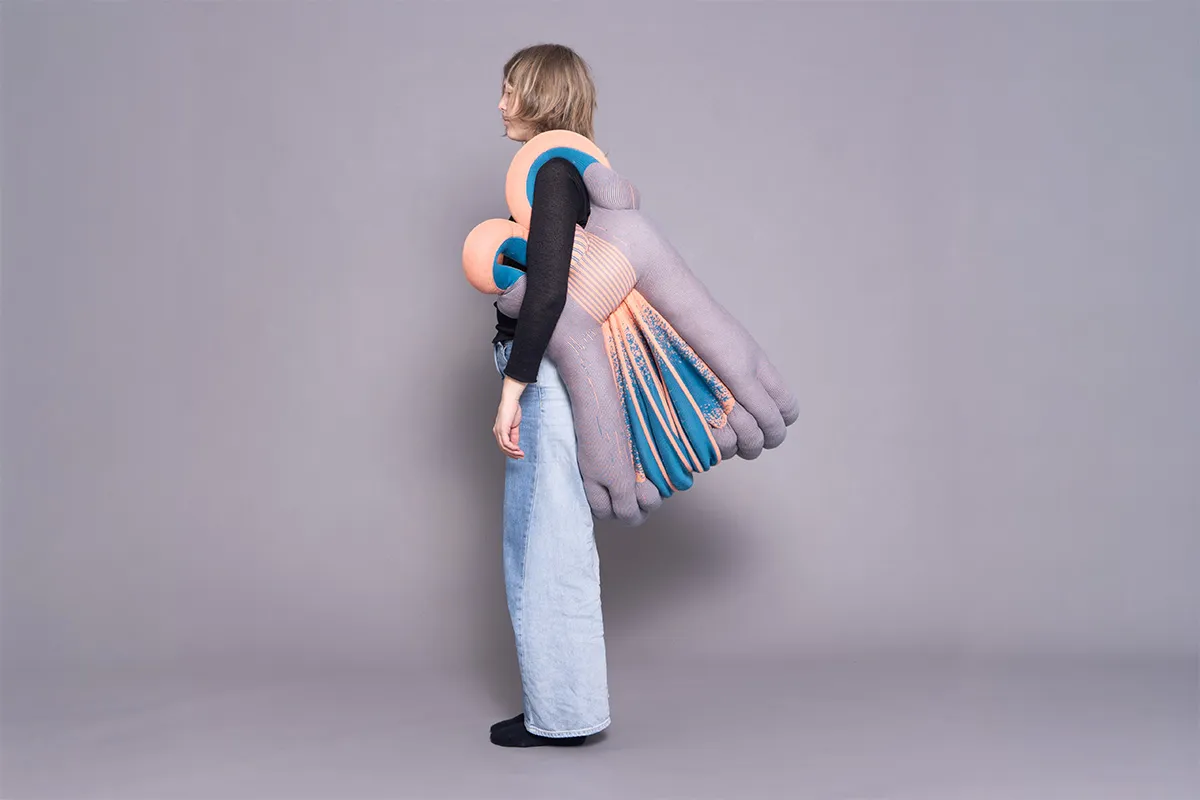
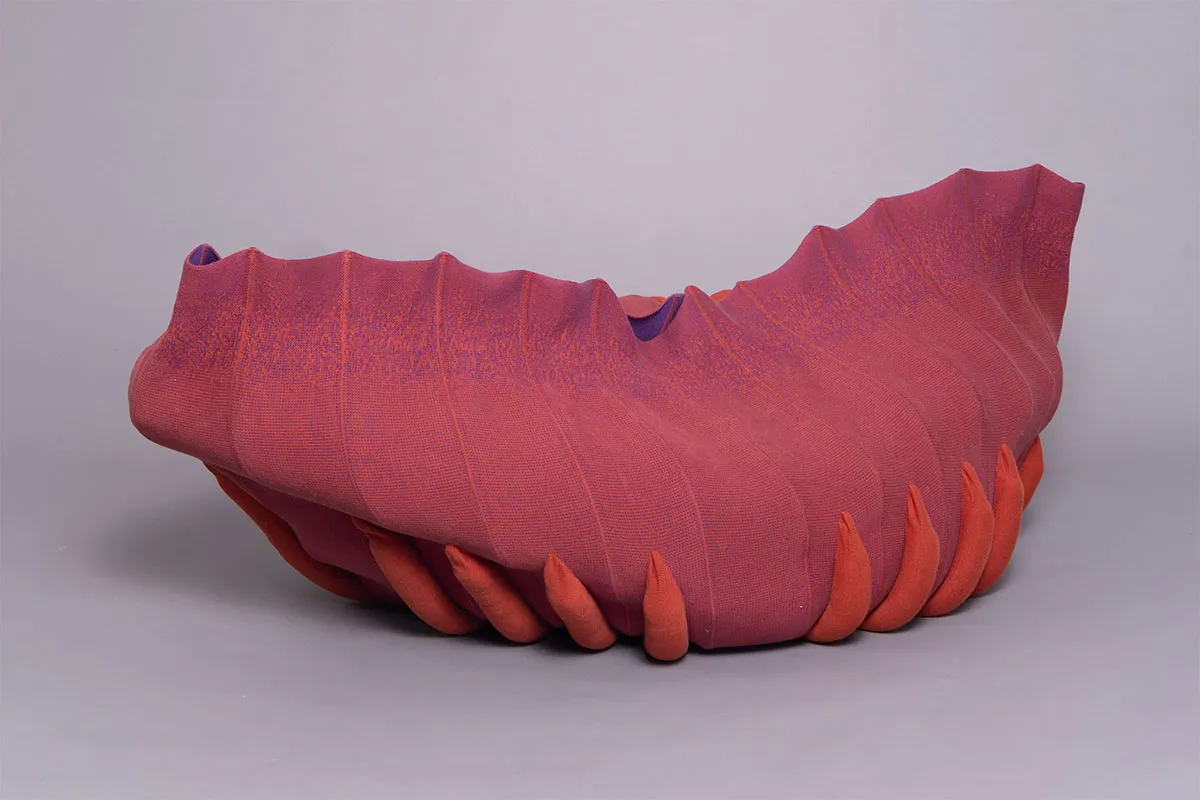
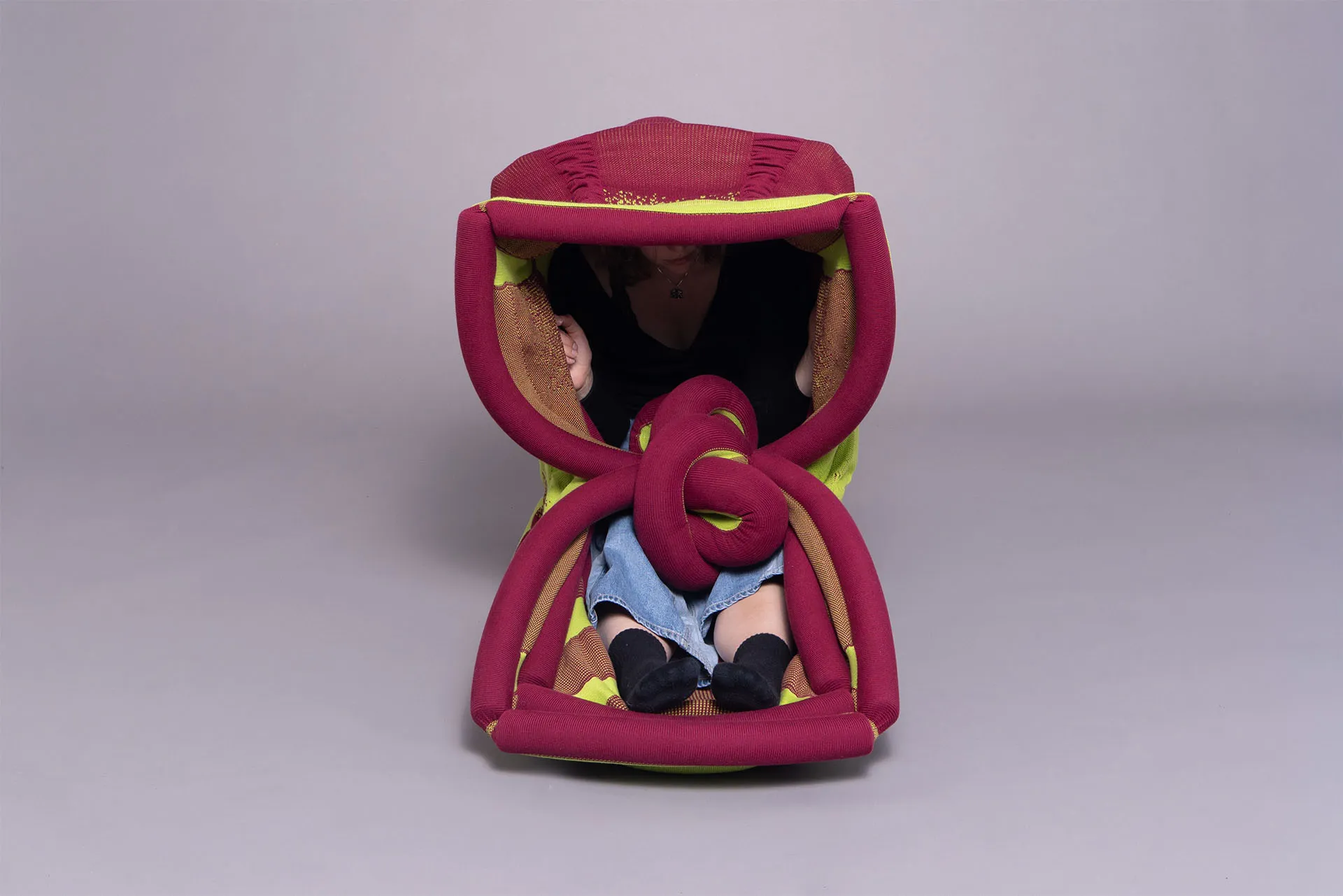
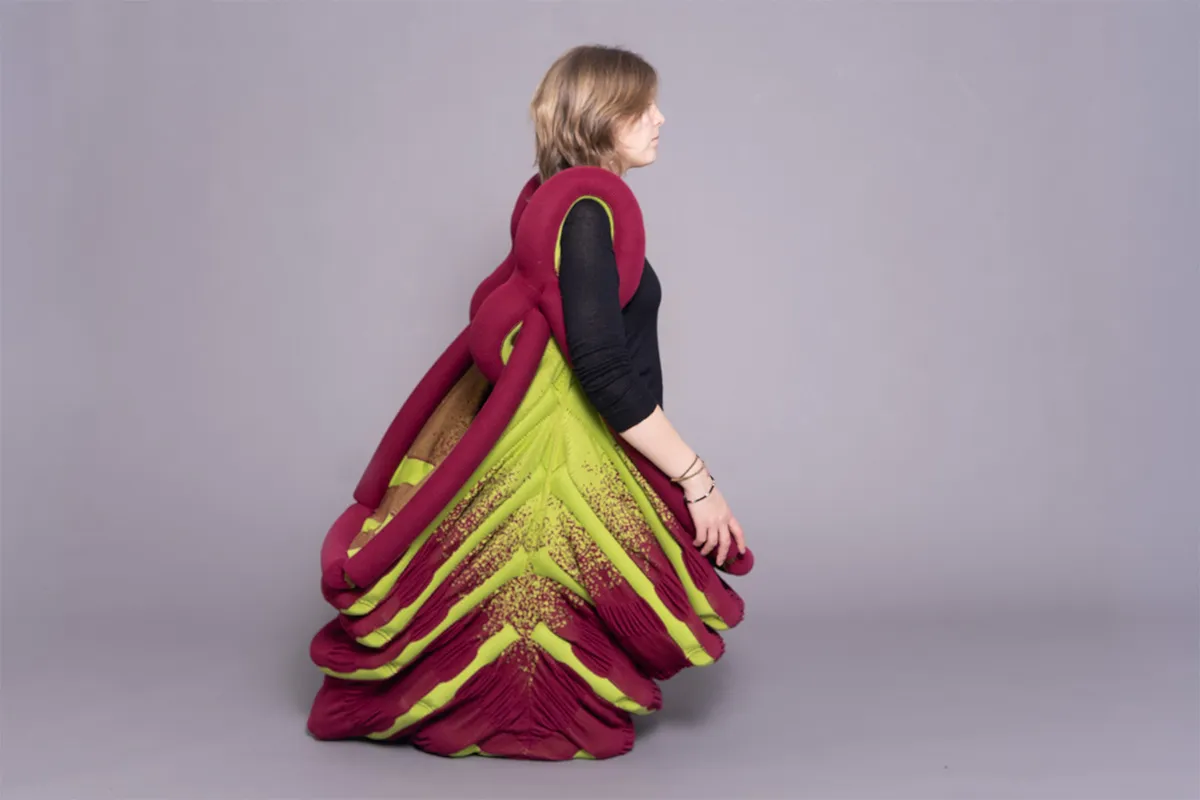
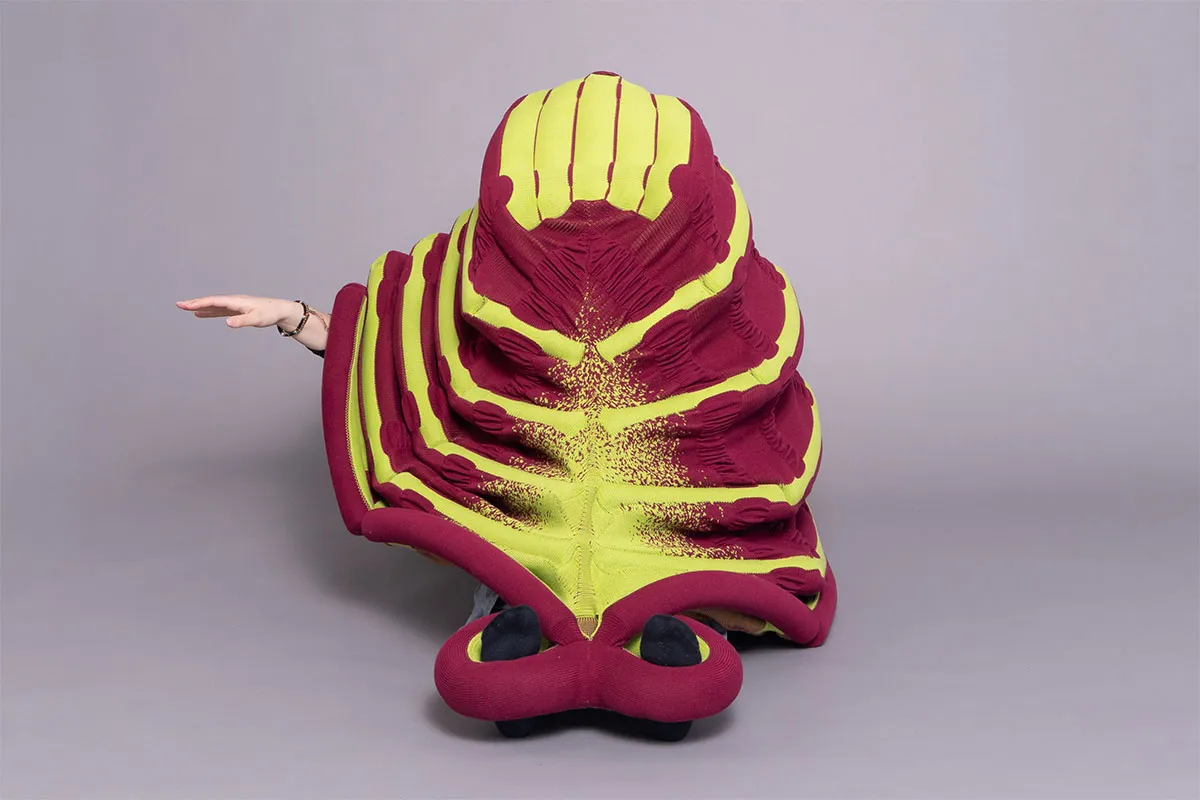
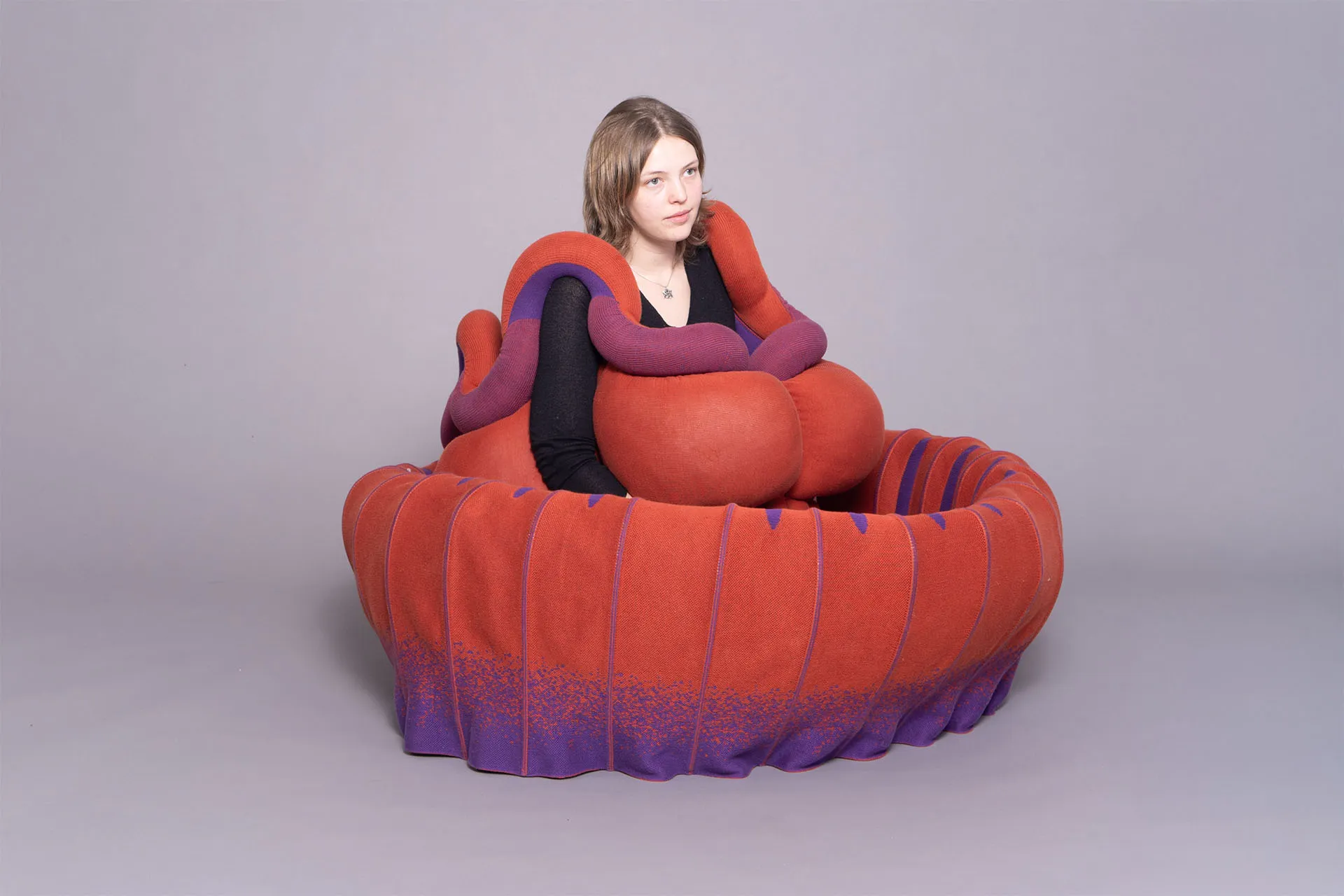
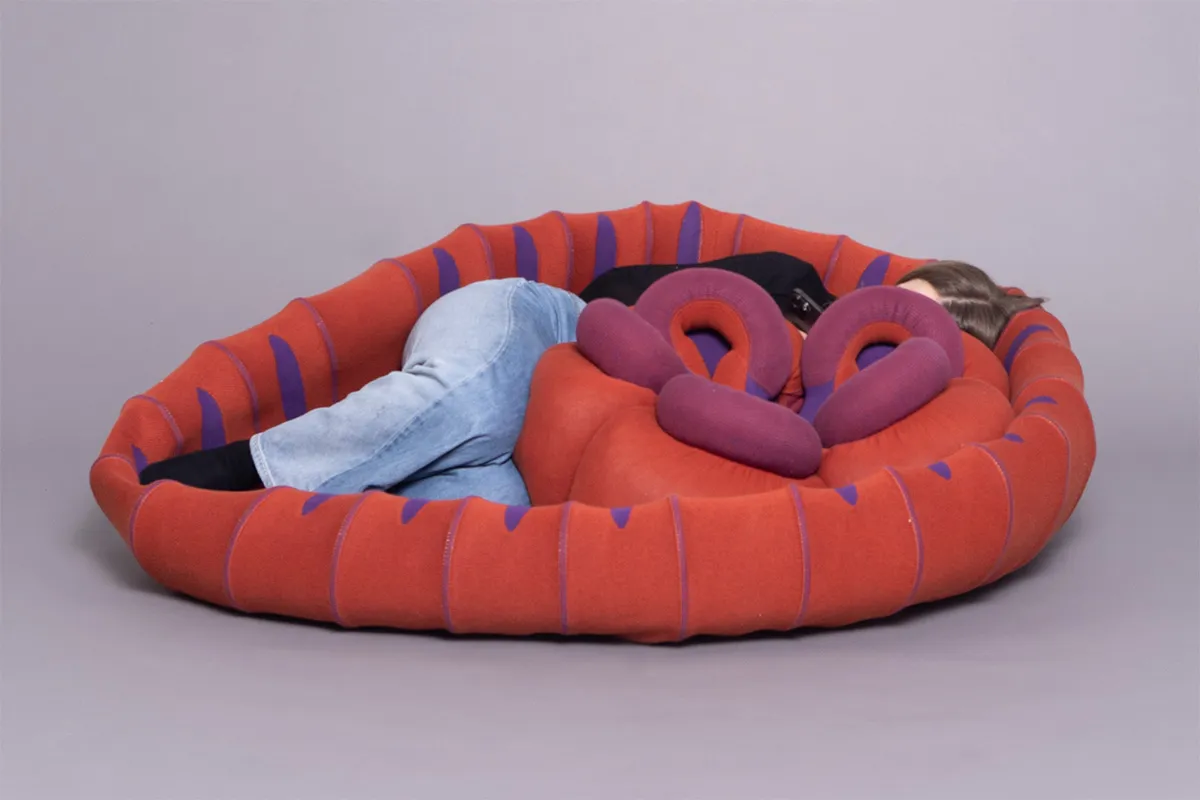
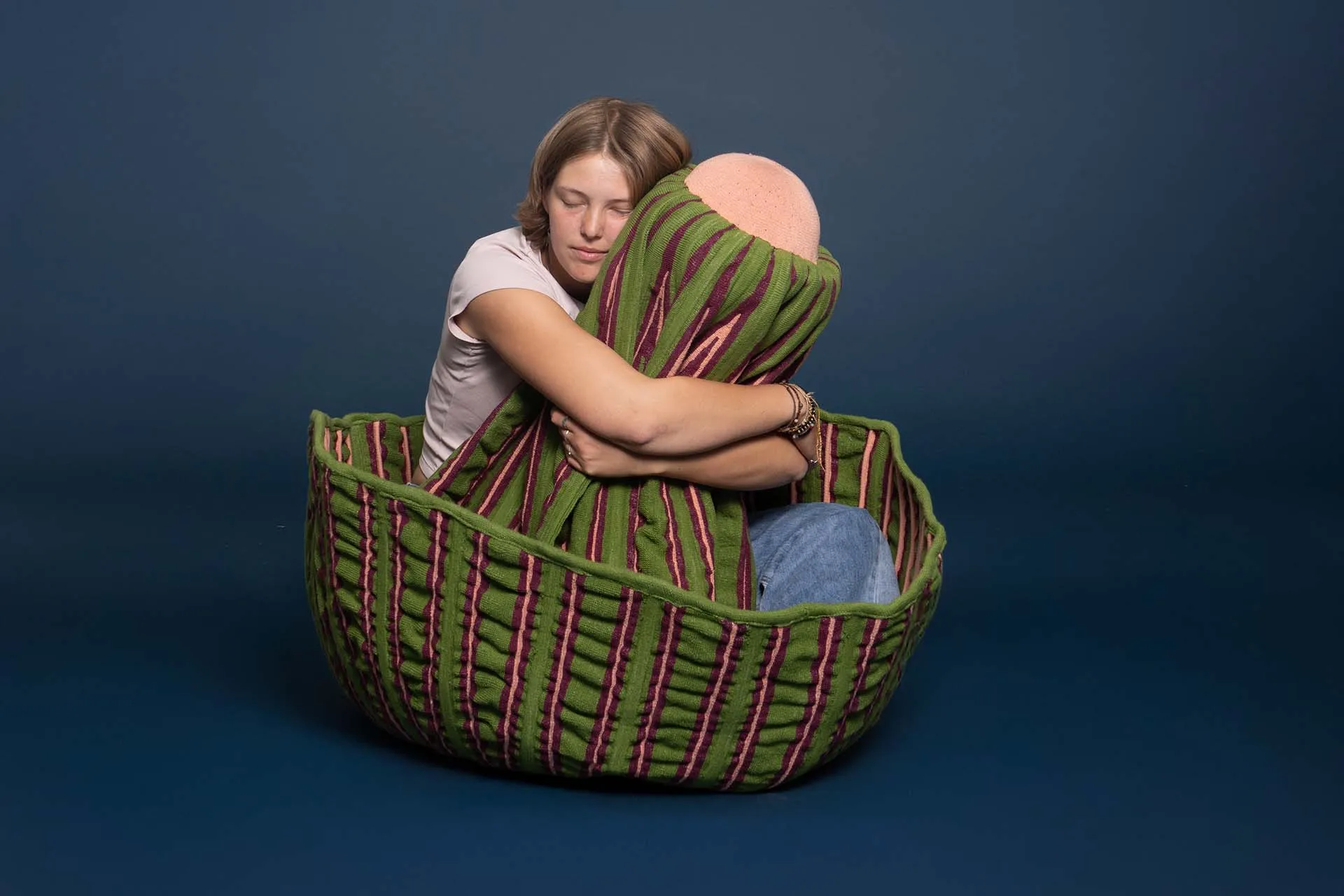
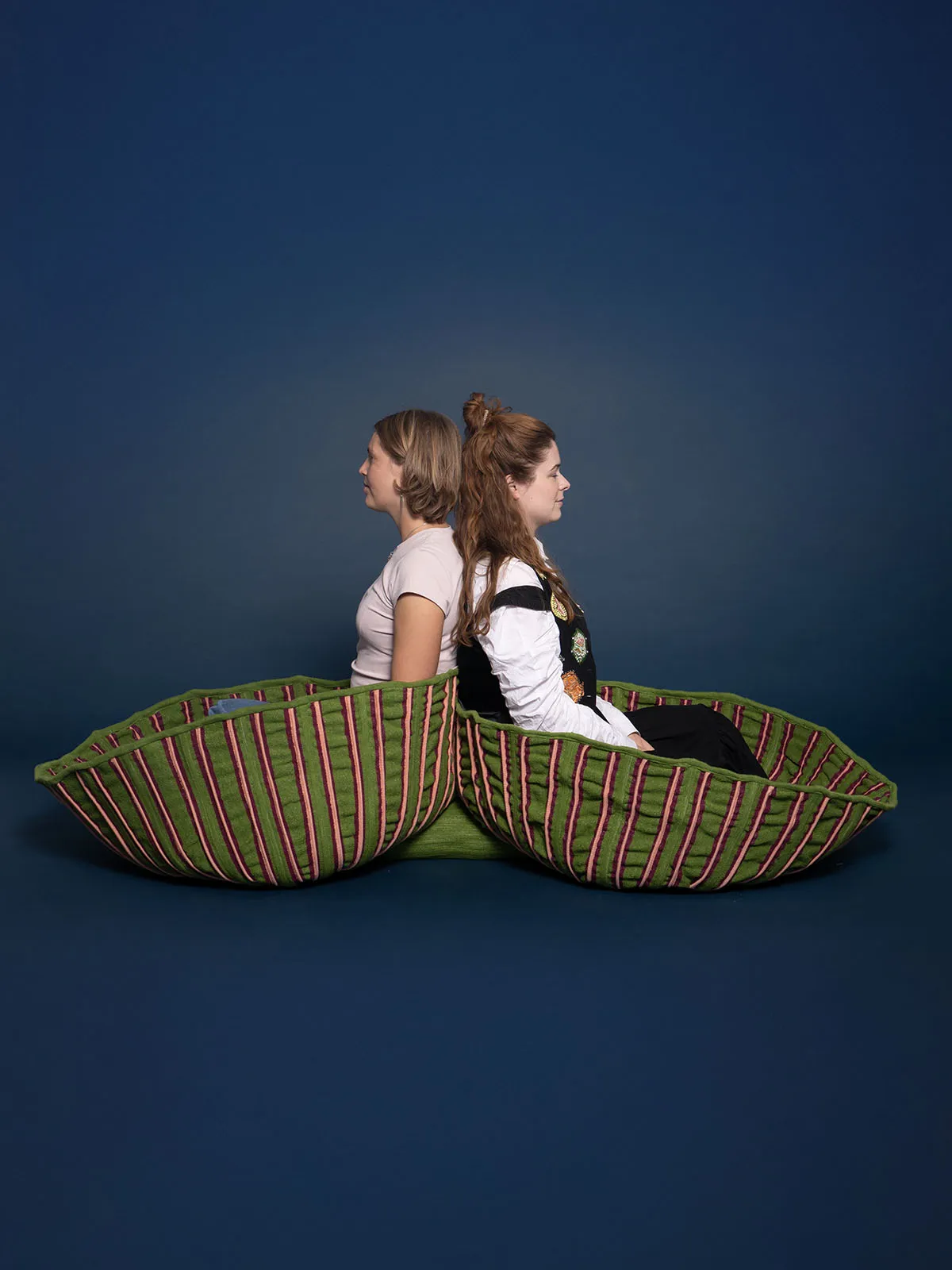
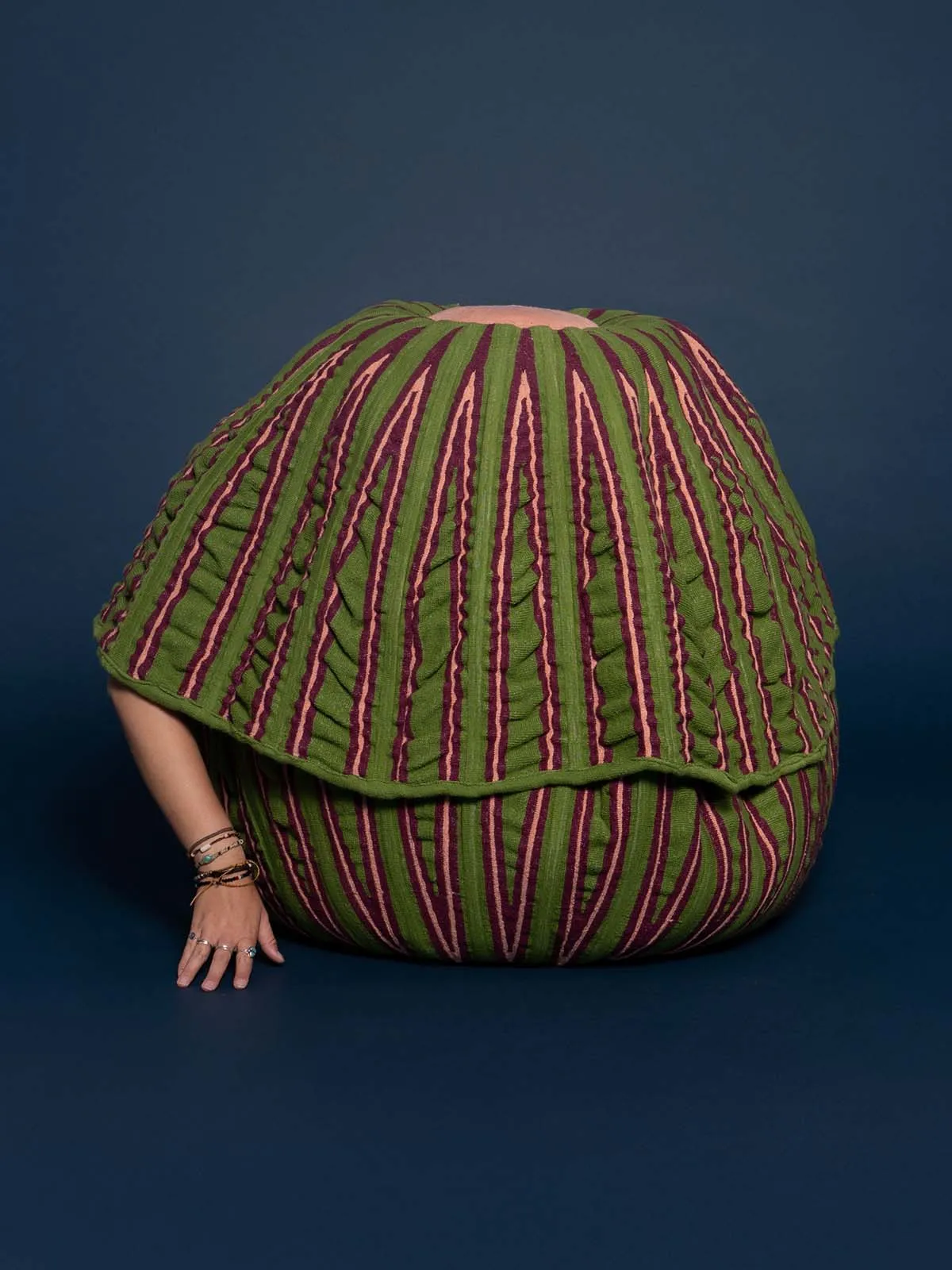
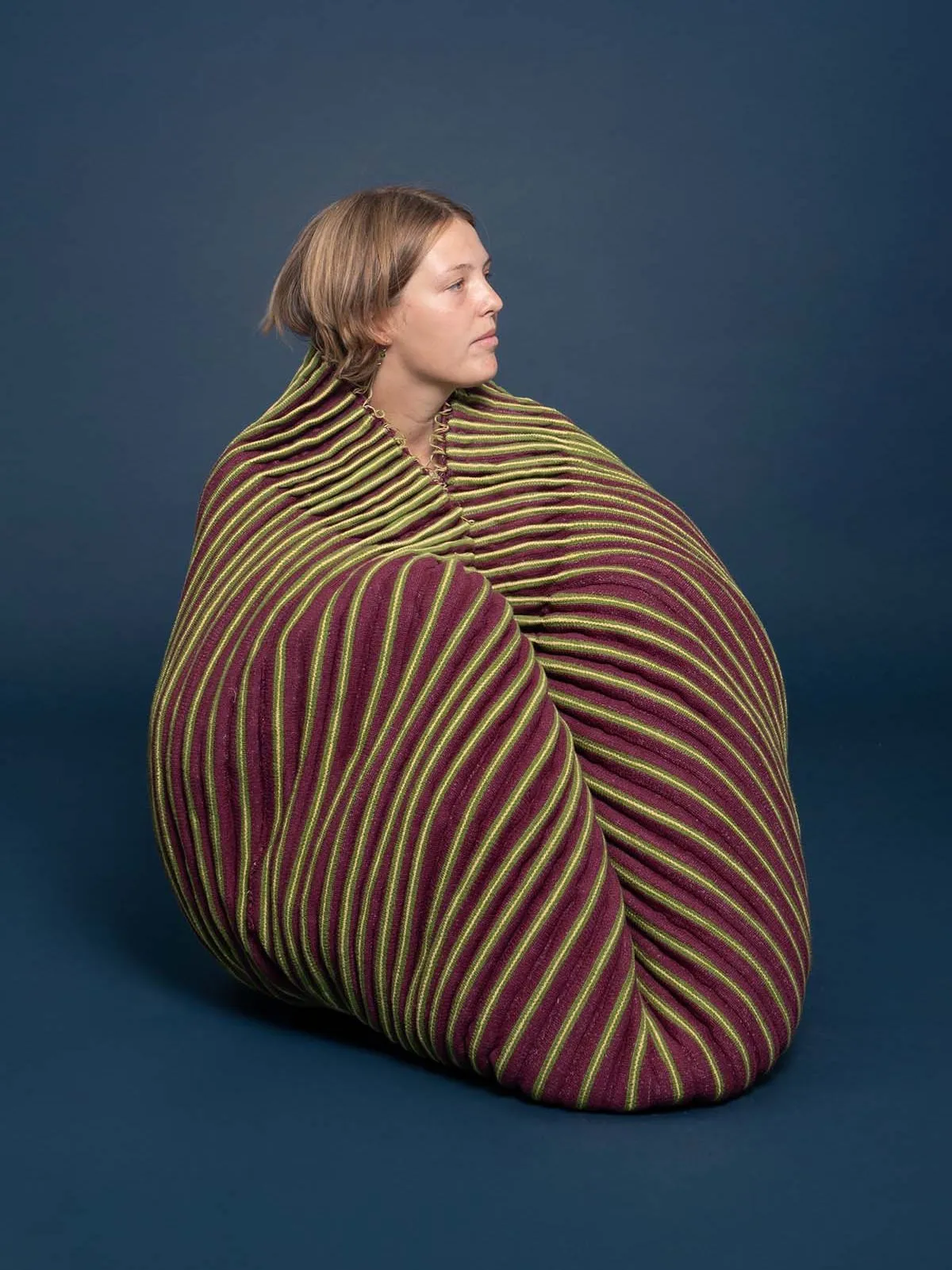
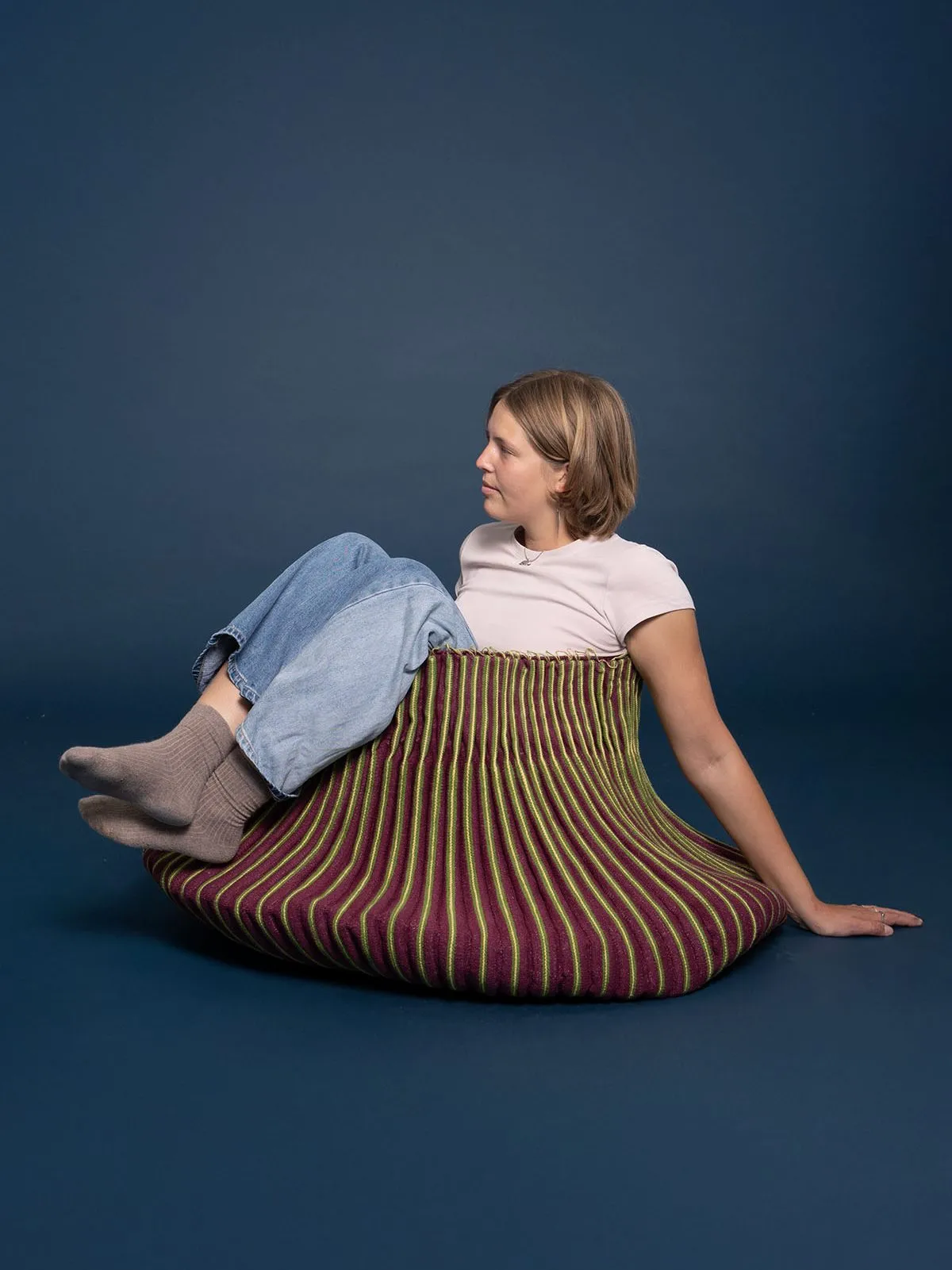
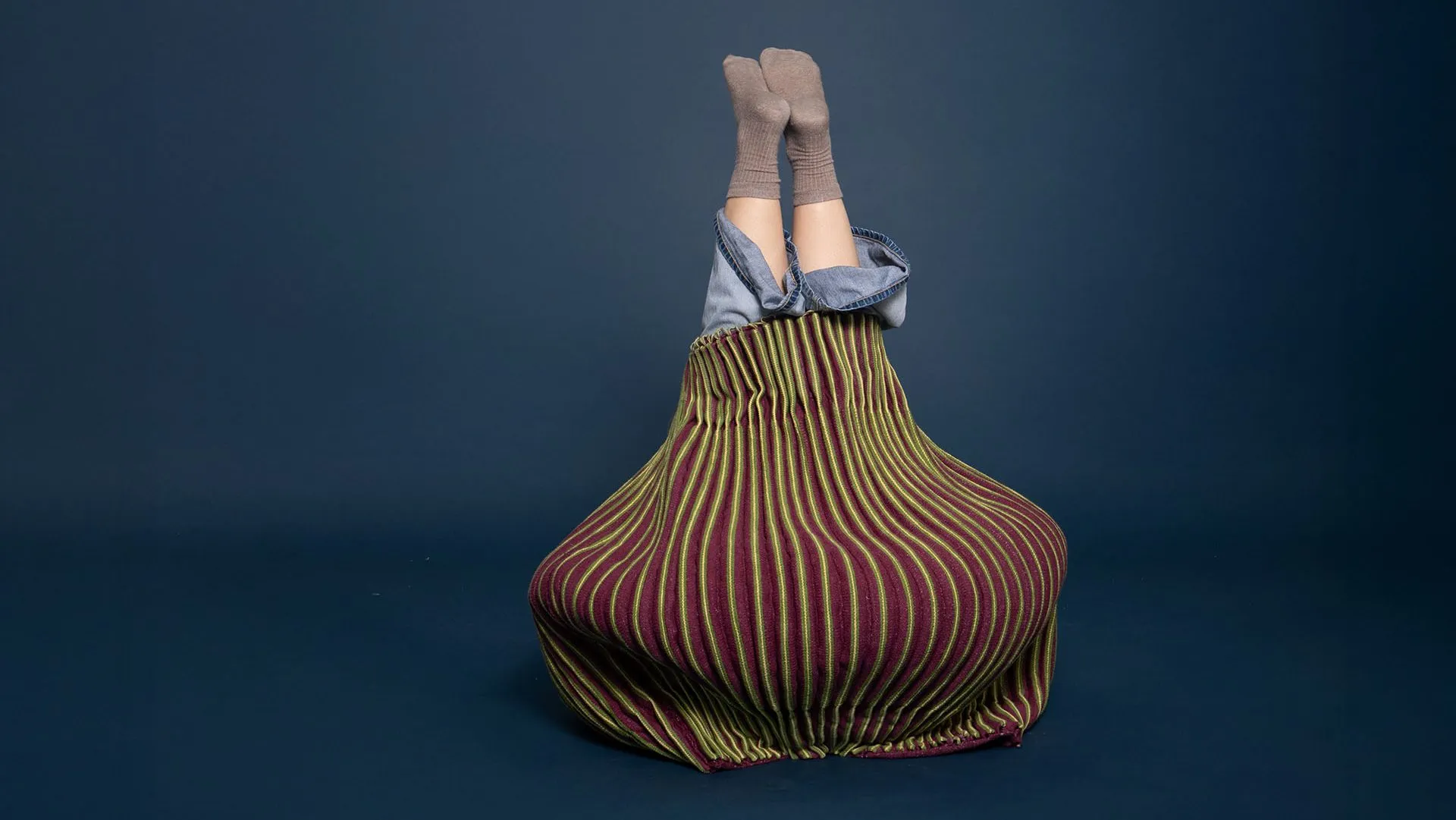
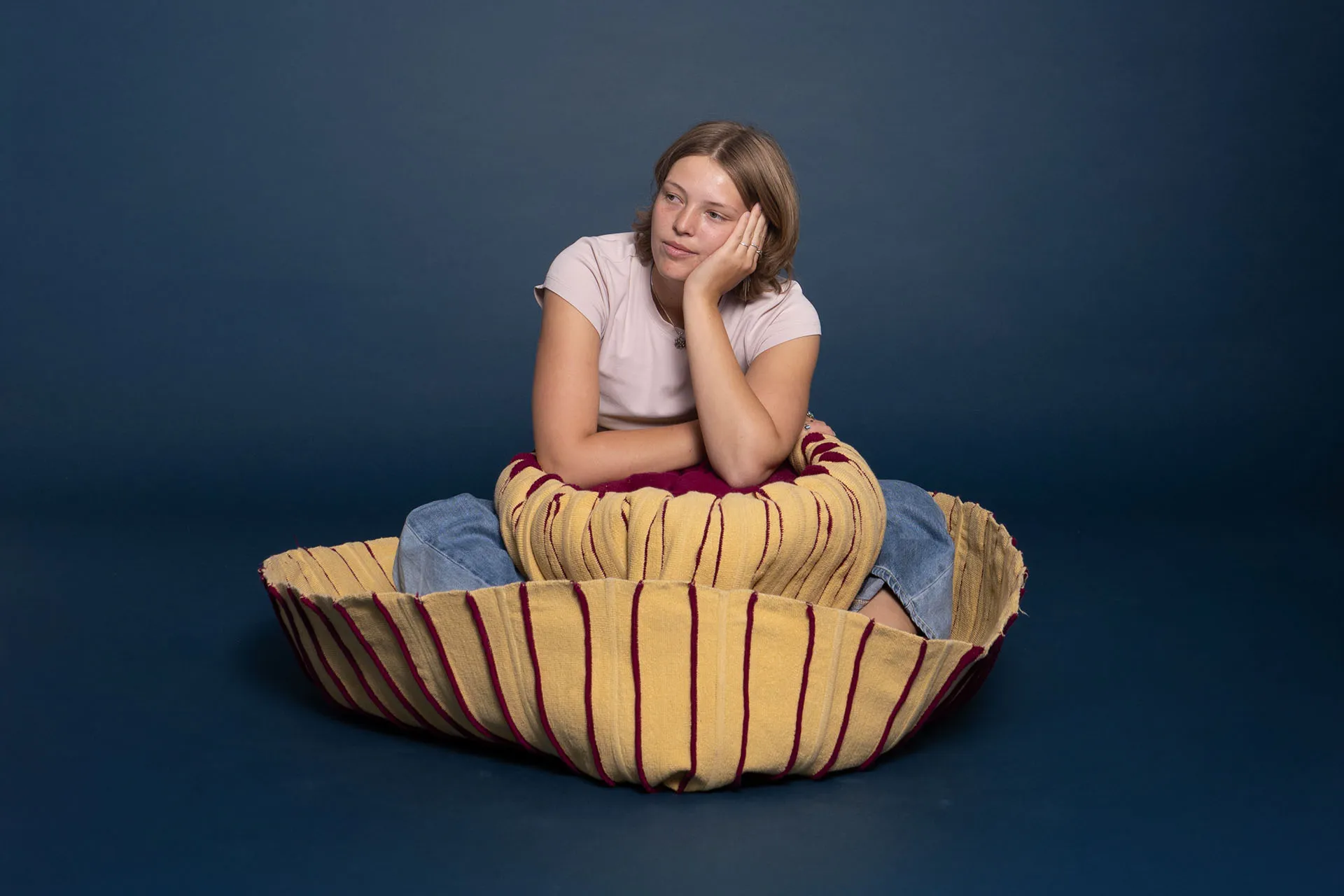
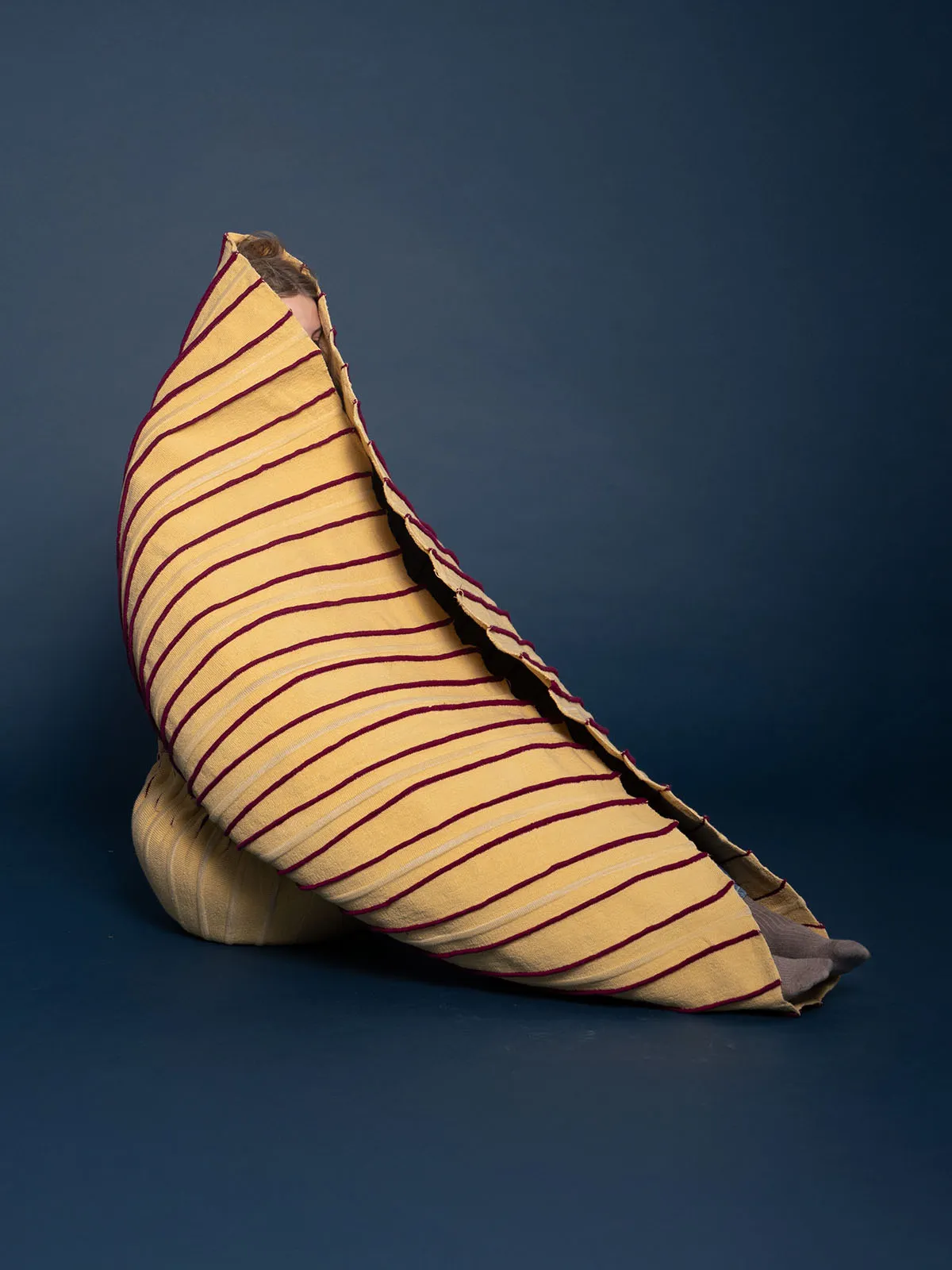
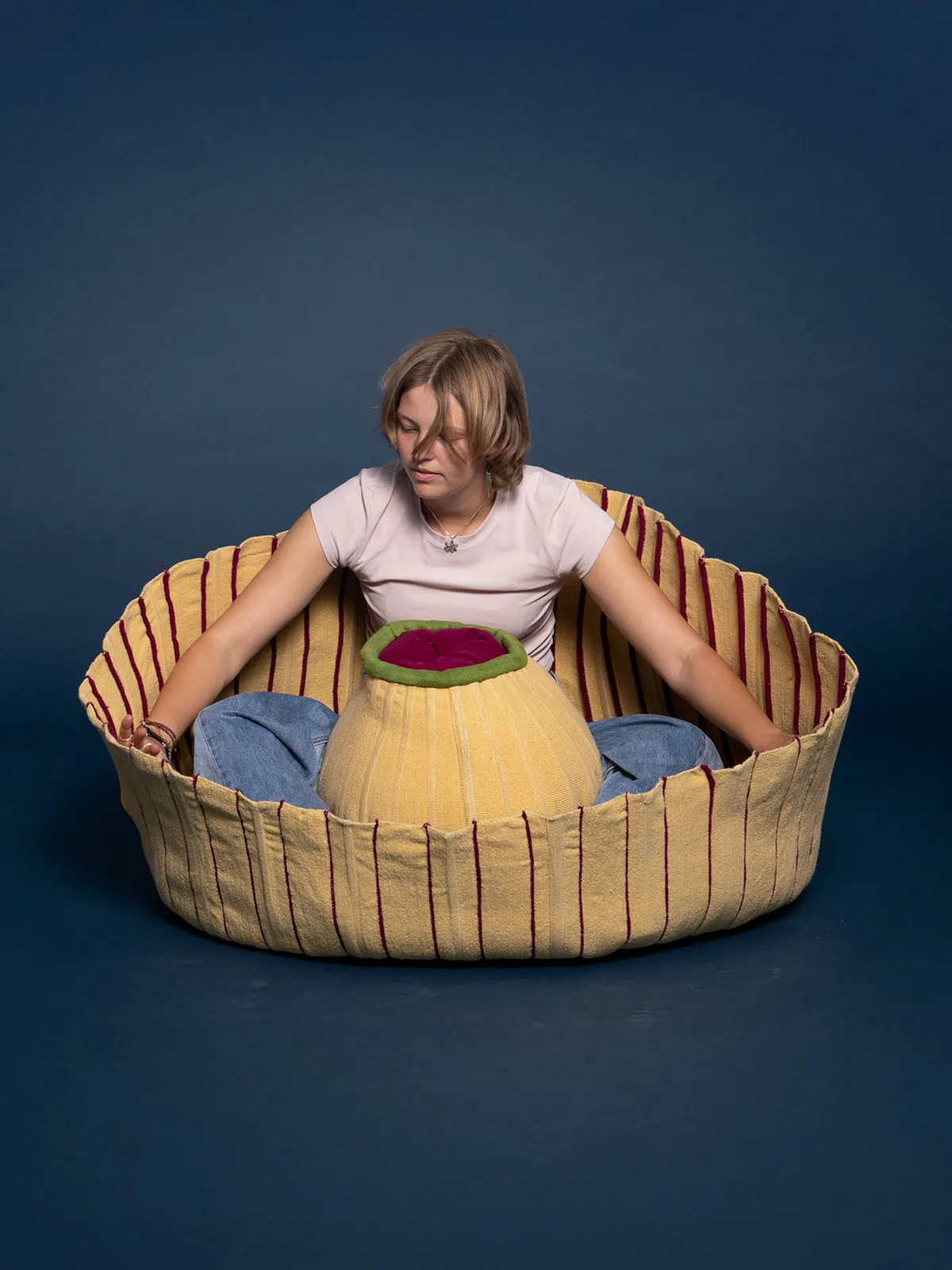
Most design today focuses on clarity, efficiency, and predefined use, leaving little room for exploration. These body-scale textile objects instead invite open-ended interaction. There is no single correct way to use them: people can sit, recline, lie down, balance, or hide inside them. They can open, close, fold, stretch, and transform through movement and touch.
The objects are dynamic, transformable shapes that explore how design can move beyond fixed functions and open possibilities for textile interaction, play, and rest. Carefully placed interaction cues suggest different ways of engaging without becoming too restrictive. Too much clarity removes exploration, but too little creates confusion.
This work aims to give people more agency to explore how they want to use an object. Design does not have to define behaviour, it can invite exploration.
What if an object doesn’t tell you how to use it?
Most design today focuses on clarity, efficiency, and predefined use, leaving little room for exploration. These body-scale textile objects instead invite open-ended interaction. There is no single correct way to use them: people can sit, recline, lie down, balance, or hide inside them. They can open, close, fold, stretch, and transform through movement and touch.
The objects are dynamic, transformable shapes that explore how design can move beyond fixed functions and open possibilities for textile interaction, play, and rest. Carefully placed interaction cues suggest different ways of engaging without becoming too restrictive. Too much clarity removes exploration, but too little creates confusion.
This work aims to give people more agency to explore how they want to use an object. Design does not have to define behaviour, it can invite exploration.
Luna Haverkorn pushes the boundaries of textile and product design, transforming materials into dynamic, interactive elements that change through use.
Luna's practice explores how materials can shape interaction, perception, and behavior. With a specialization in knitting, Luna works between art and design, experimenting with traditional and unexpected materials to create tactile, three-dimensional forms that invite movement and discovery. Inspired by nature, Luna develops handcrafted pieces through a process of exploration and making, using sustainable materials and responsible production methods whenever possible.
Luna is currently exhibiting at the Textile Museum in Borås, and I will also be exhibiting during Dutch Design Week.

BY LUNA HAVERKORN
What if an object doesn’t tell you how to use it?
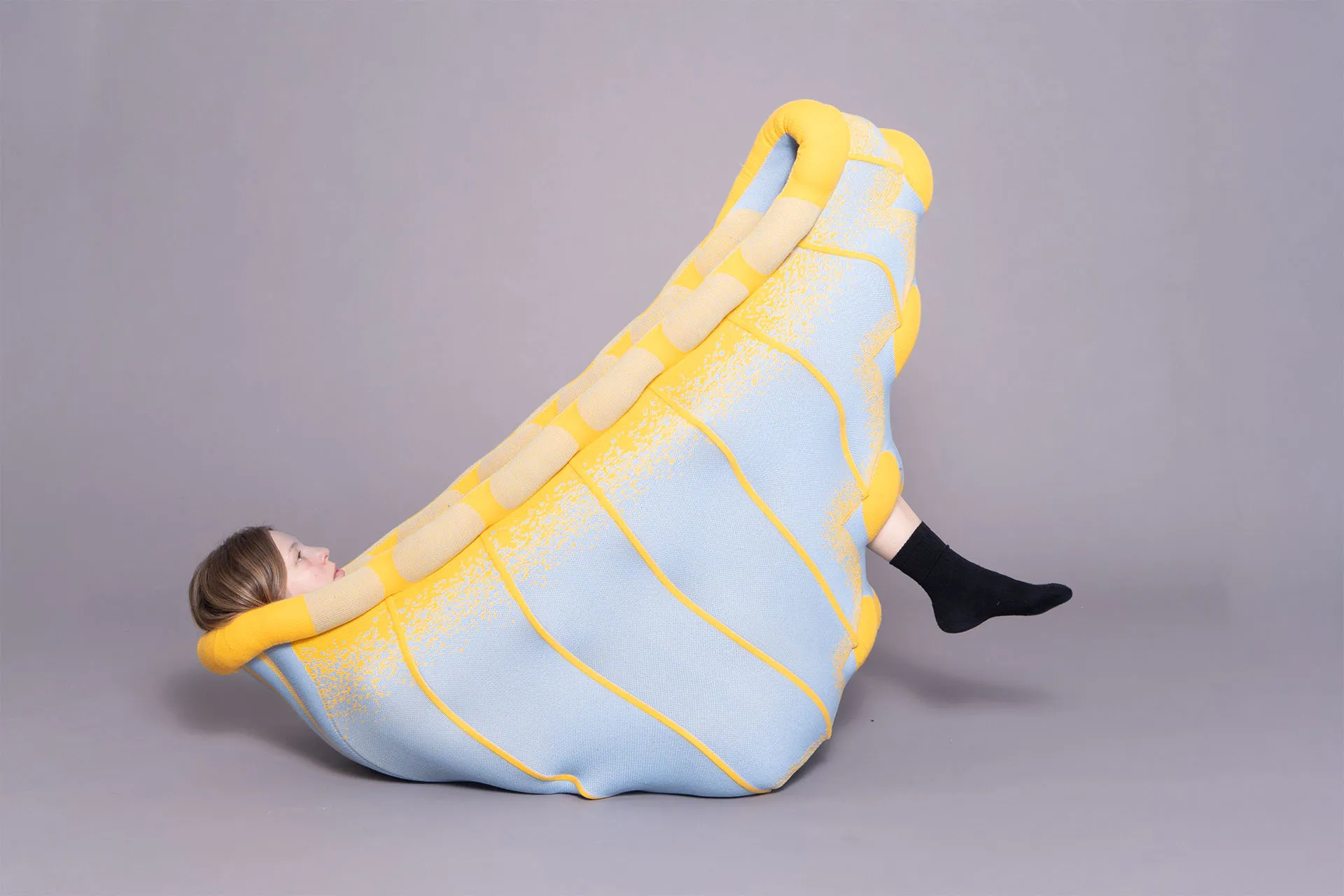
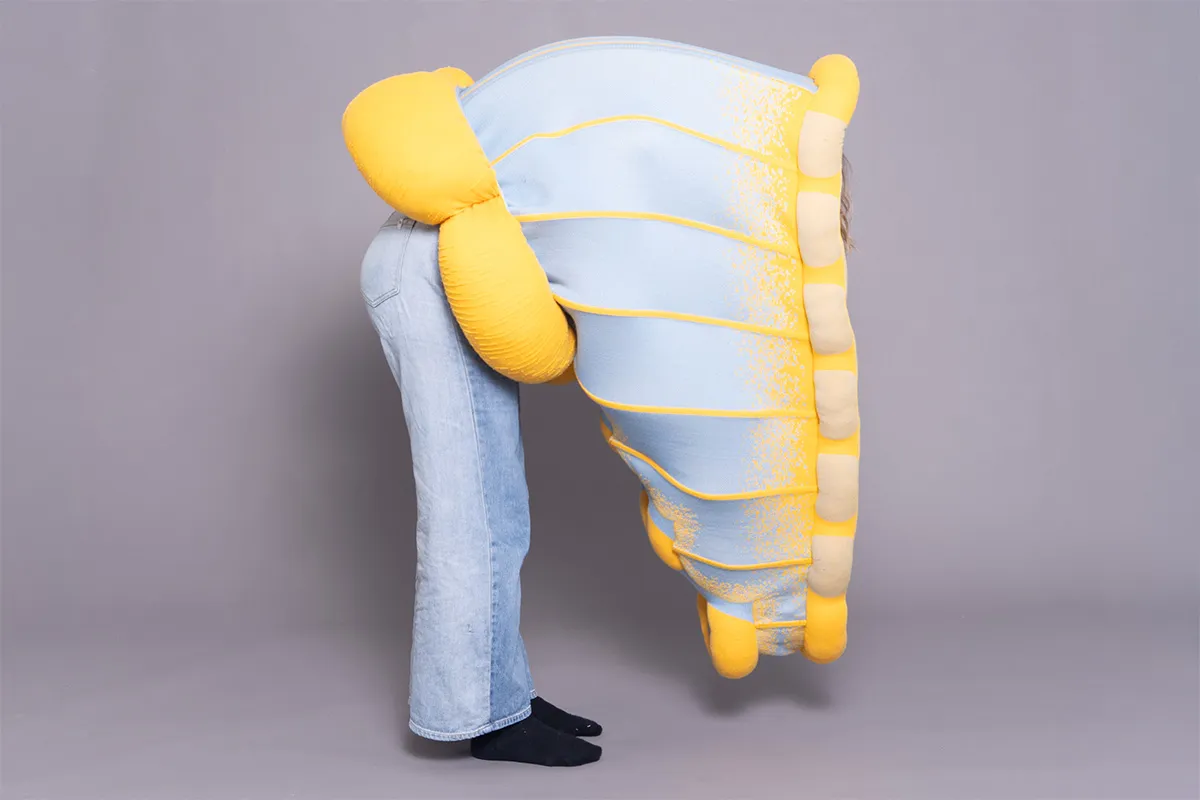
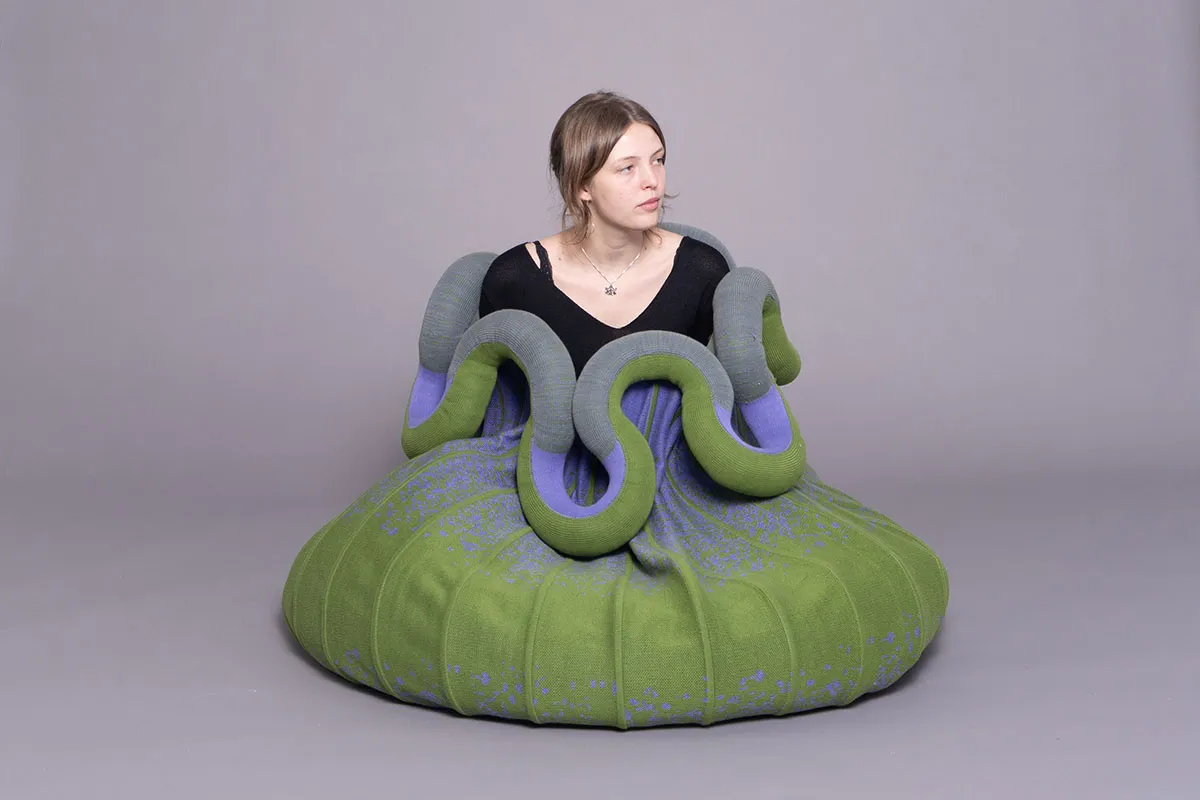
Most design today focuses on clarity, efficiency, and predefined use, leaving little room for exploration. These body-scale textile objects instead invite open-ended interaction. There is no single correct way to use them: people can sit, recline, lie down, balance, or hide inside them. They can open, close, fold, stretch, and transform through movement and touch.
The objects are dynamic, transformable shapes that explore how design can move beyond fixed functions and open possibilities for textile interaction, play, and rest. Carefully placed interaction cues suggest different ways of engaging without becoming too restrictive. Too much clarity removes exploration, but too little creates confusion.
This work aims to give people more agency to explore how they want to use an object. Design does not have to define behaviour, it can invite exploration.
What if an object doesn’t tell you how to use it?
Most design today focuses on clarity, efficiency, and predefined use, leaving little room for exploration. These body-scale textile objects instead invite open-ended interaction. There is no single correct way to use them: people can sit, recline, lie down, balance, or hide inside them. They can open, close, fold, stretch, and transform through movement and touch.
The objects are dynamic, transformable shapes that explore how design can move beyond fixed functions and open possibilities for textile interaction, play, and rest. Carefully placed interaction cues suggest different ways of engaging without becoming too restrictive. Too much clarity removes exploration, but too little creates confusion.
This work aims to give people more agency to explore how they want to use an object. Design does not have to define behaviour, it can invite exploration.
Luna Haverkorn pushes the boundaries of textile and product design, transforming materials into dynamic, interactive elements that change through use.
Luna's practice explores how materials can shape interaction, perception, and behavior. With a specialization in knitting, Luna works between art and design, experimenting with traditional and unexpected materials to create tactile, three-dimensional forms that invite movement and discovery. Inspired by nature, Luna develops handcrafted pieces through a process of exploration and making, using sustainable materials and responsible production methods whenever possible.
Luna is currently exhibiting at the Textile Museum in Borås, and I will also be exhibiting during Dutch Design Week.
BY LUNA HAVERKORN
What if an object doesn’t tell you how to use it?
Most design today focuses on clarity, efficiency, and predefined use, leaving little room for exploration. These body-scale textile objects instead invite open-ended interaction. There is no single correct way to use them: people can sit, recline, lie down, balance, or hide inside them. They can open, close, fold, stretch, and transform through movement and touch.
The objects are dynamic, transformable shapes that explore how design can move beyond fixed functions and open possibilities for textile interaction, play, and rest. Carefully placed interaction cues suggest different ways of engaging without becoming too restrictive. Too much clarity removes exploration, but too little creates confusion.
This work aims to give people more agency to explore how they want to use an object. Design does not have to define behaviour, it can invite exploration.
What if an object doesn’t tell you how to use it?
Most design today focuses on clarity, efficiency, and predefined use, leaving little room for exploration. These body-scale textile objects instead invite open-ended interaction. There is no single correct way to use them: people can sit, recline, lie down, balance, or hide inside them. They can open, close, fold, stretch, and transform through movement and touch.
The objects are dynamic, transformable shapes that explore how design can move beyond fixed functions and open possibilities for textile interaction, play, and rest. Carefully placed interaction cues suggest different ways of engaging without becoming too restrictive. Too much clarity removes exploration, but too little creates confusion.
This work aims to give people more agency to explore how they want to use an object. Design does not have to define behaviour, it can invite exploration.
Luna Haverkorn pushes the boundaries of textile and product design, transforming materials into dynamic, interactive elements that change through use.
Luna's practice explores how materials can shape interaction, perception, and behavior. With a specialization in knitting, Luna works between art and design, experimenting with traditional and unexpected materials to create tactile, three-dimensional forms that invite movement and discovery. Inspired by nature, Luna develops handcrafted pieces through a process of exploration and making, using sustainable materials and responsible production methods whenever possible.
Luna is currently exhibiting at the Textile Museum in Borås, and I will also be exhibiting during Dutch Design Week.
BY LUNA HAVERKORN
What if an object doesn’t tell you how to use it?
Most design today focuses on clarity, efficiency, and predefined use, leaving little room for exploration. These body-scale textile objects instead invite open-ended interaction. There is no single correct way to use them: people can sit, recline, lie down, balance, or hide inside them. They can open, close, fold, stretch, and transform through movement and touch.
The objects are dynamic, transformable shapes that explore how design can move beyond fixed functions and open possibilities for textile interaction, play, and rest. Carefully placed interaction cues suggest different ways of engaging without becoming too restrictive. Too much clarity removes exploration, but too little creates confusion.
This work aims to give people more agency to explore how they want to use an object. Design does not have to define behaviour, it can invite exploration.
What if an object doesn’t tell you how to use it?
Most design today focuses on clarity, efficiency, and predefined use, leaving little room for exploration. These body-scale textile objects instead invite open-ended interaction. There is no single correct way to use them: people can sit, recline, lie down, balance, or hide inside them. They can open, close, fold, stretch, and transform through movement and touch.
The objects are dynamic, transformable shapes that explore how design can move beyond fixed functions and open possibilities for textile interaction, play, and rest. Carefully placed interaction cues suggest different ways of engaging without becoming too restrictive. Too much clarity removes exploration, but too little creates confusion.
This work aims to give people more agency to explore how they want to use an object. Design does not have to define behaviour, it can invite exploration.
Luna Haverkorn pushes the boundaries of textile and product design, transforming materials into dynamic, interactive elements that change through use.
Luna's practice explores how materials can shape interaction, perception, and behavior. With a specialization in knitting, Luna works between art and design, experimenting with traditional and unexpected materials to create tactile, three-dimensional forms that invite movement and discovery. Inspired by nature, Luna develops handcrafted pieces through a process of exploration and making, using sustainable materials and responsible production methods whenever possible.
Luna is currently exhibiting at the Textile Museum in Borås, and I will also be exhibiting during Dutch Design Week.