BY KAYE BLEGVAD
The Museum of Stones Manifesto
THE DISPLAYS
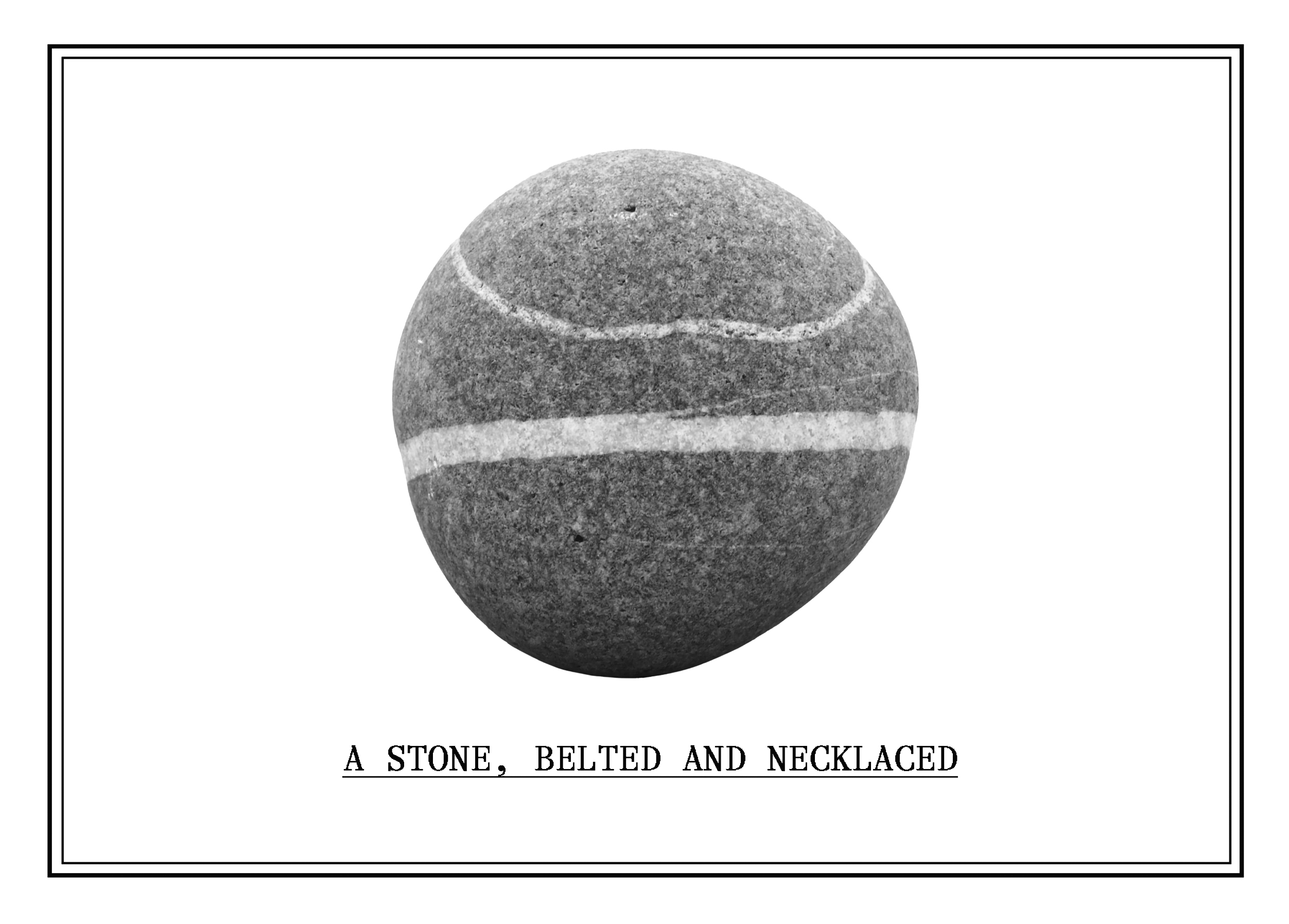
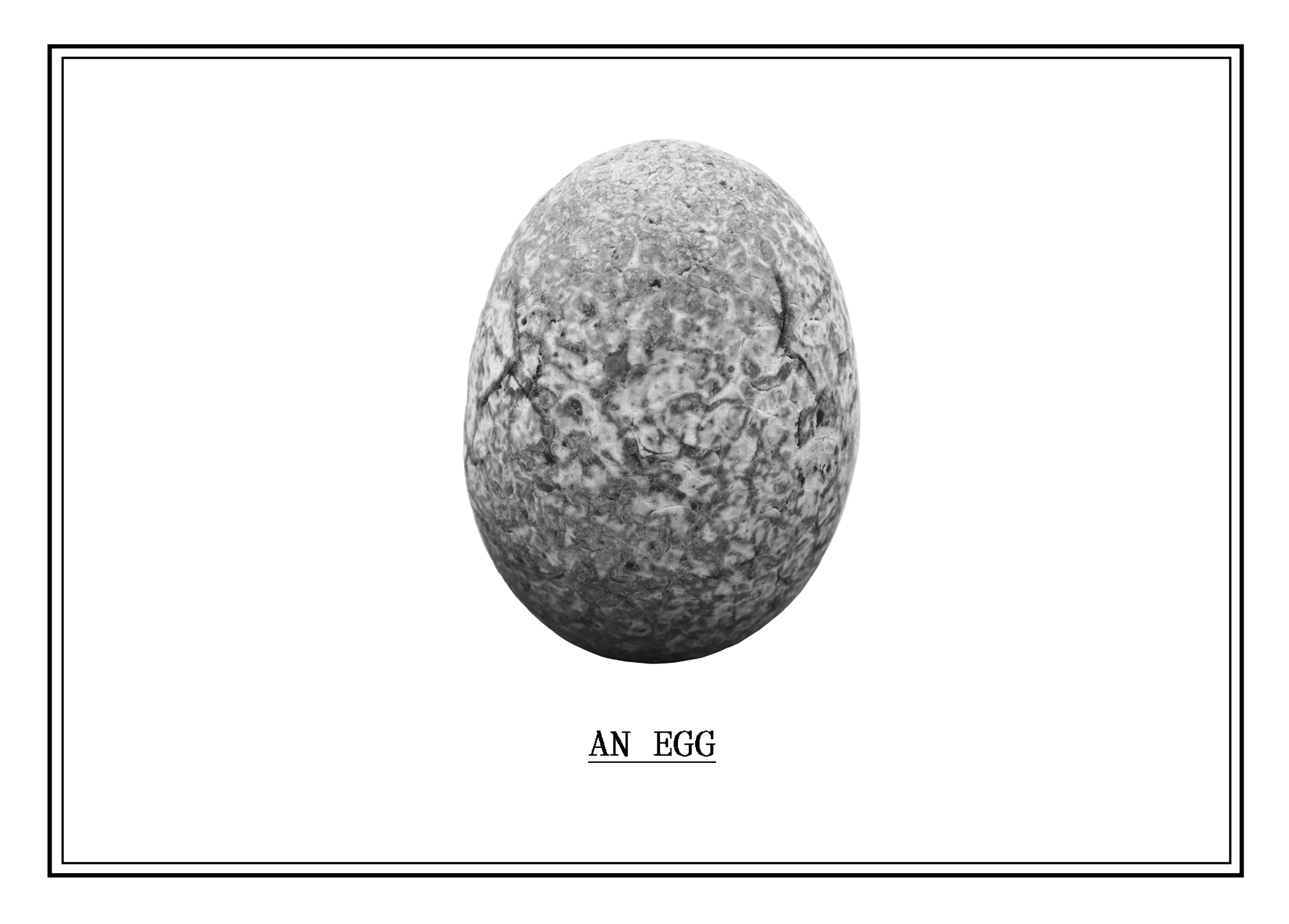
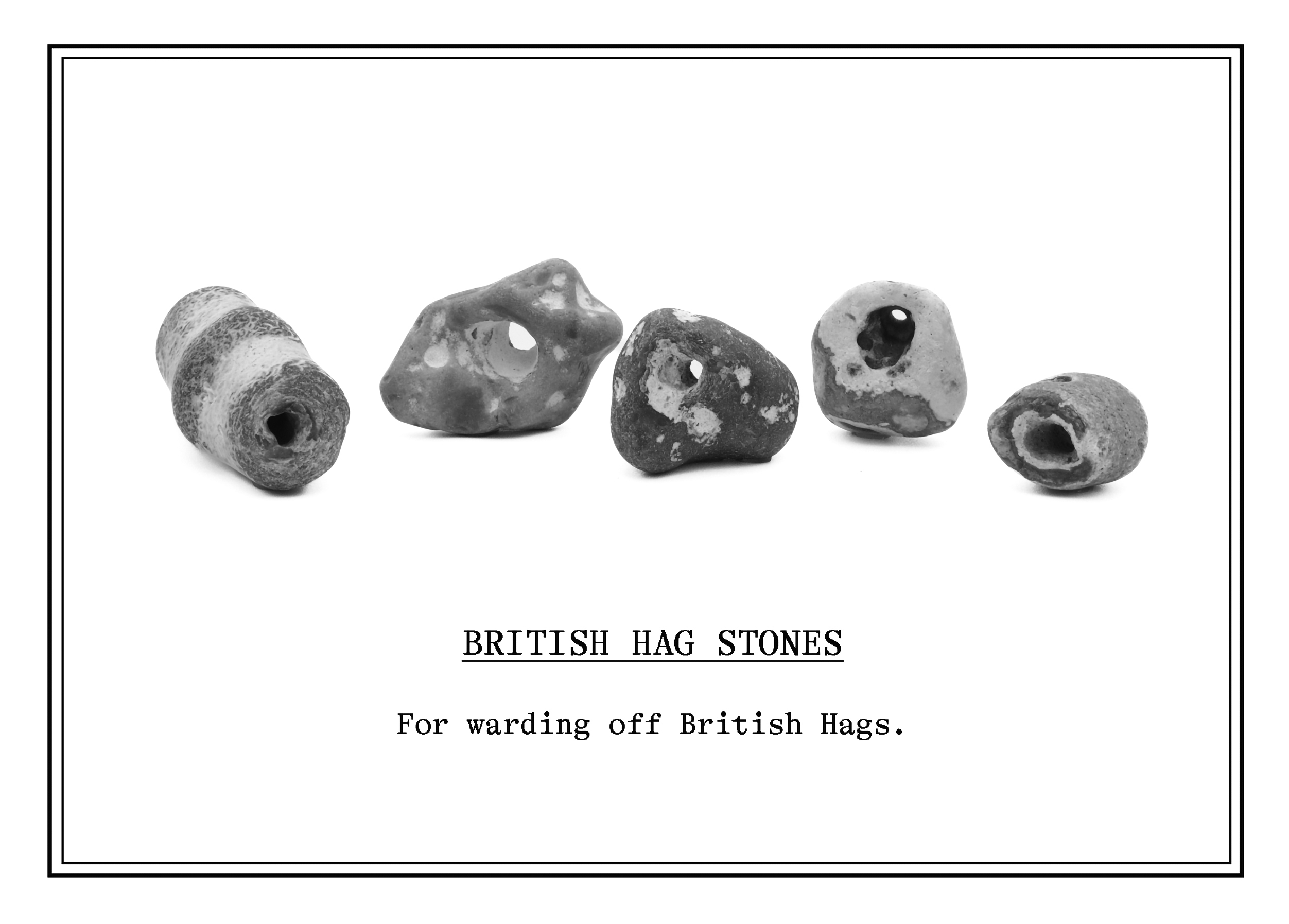
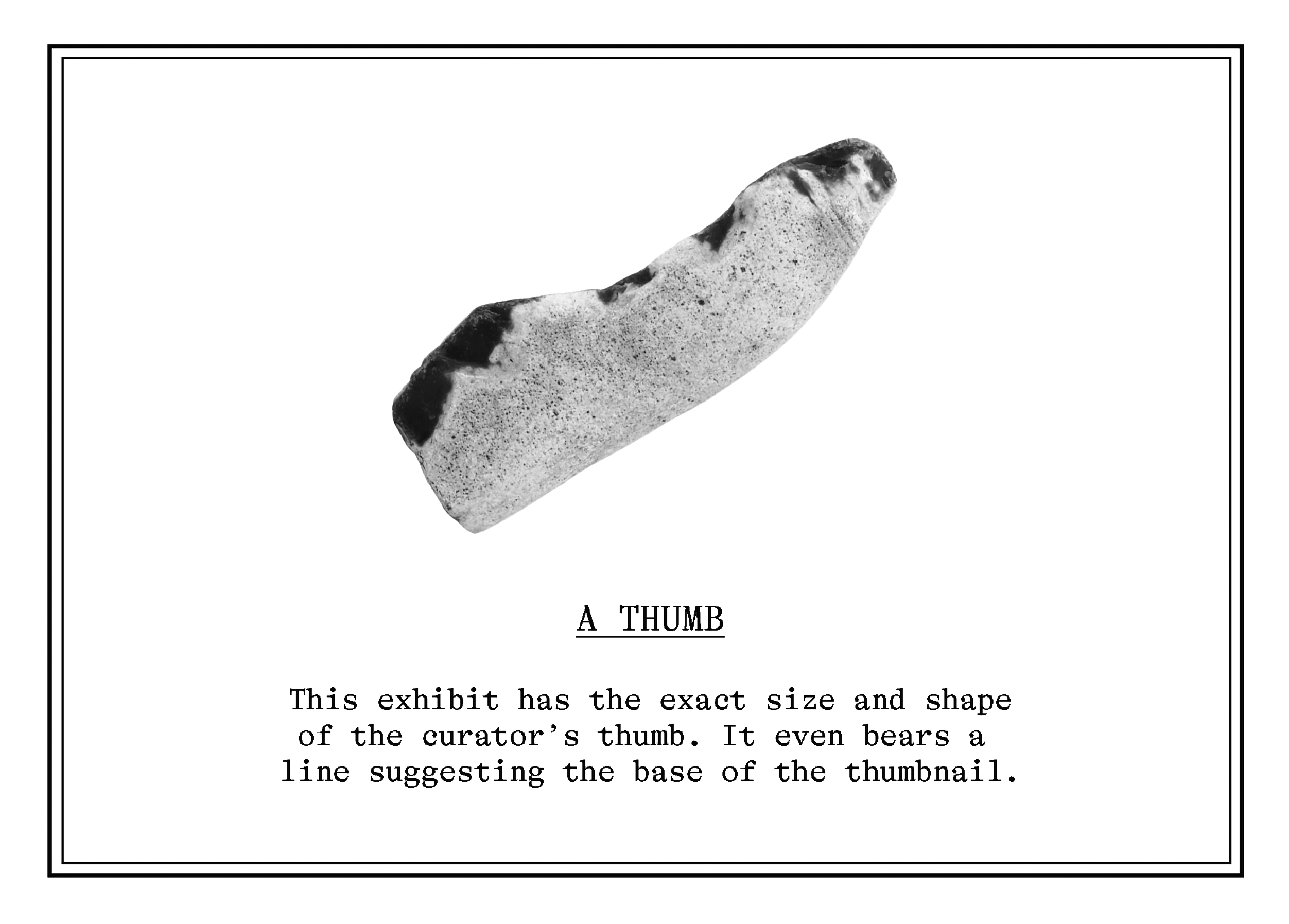
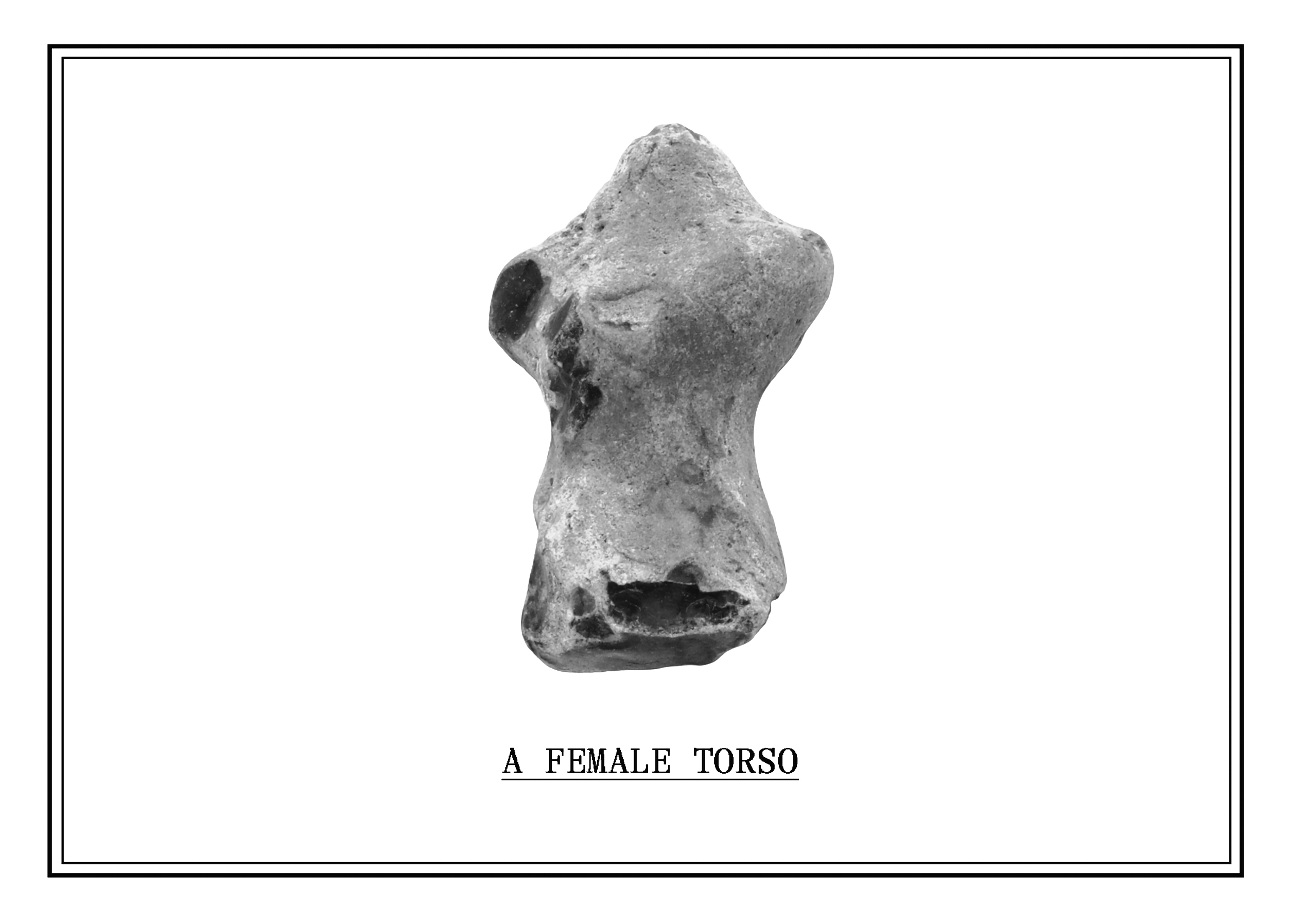
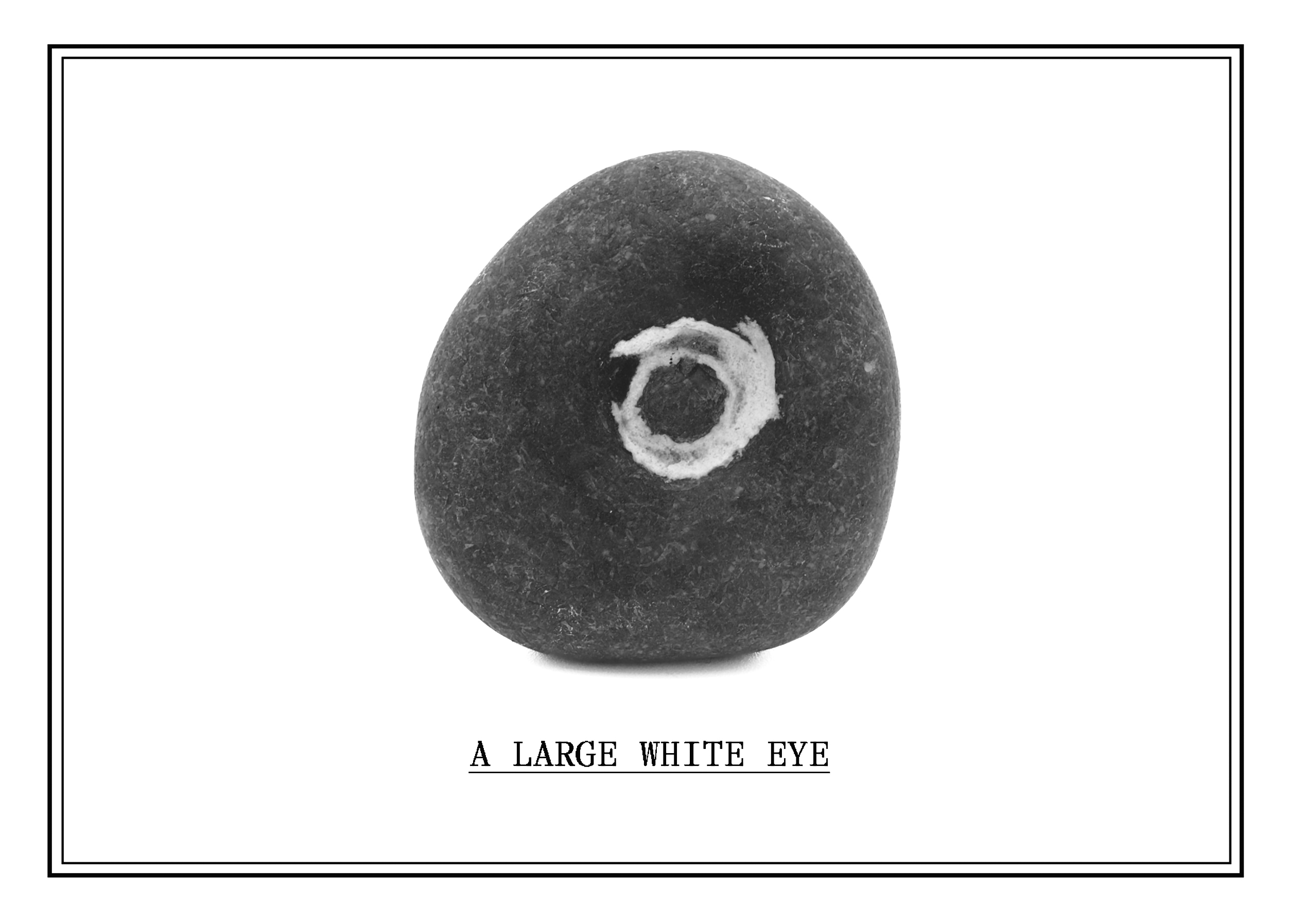
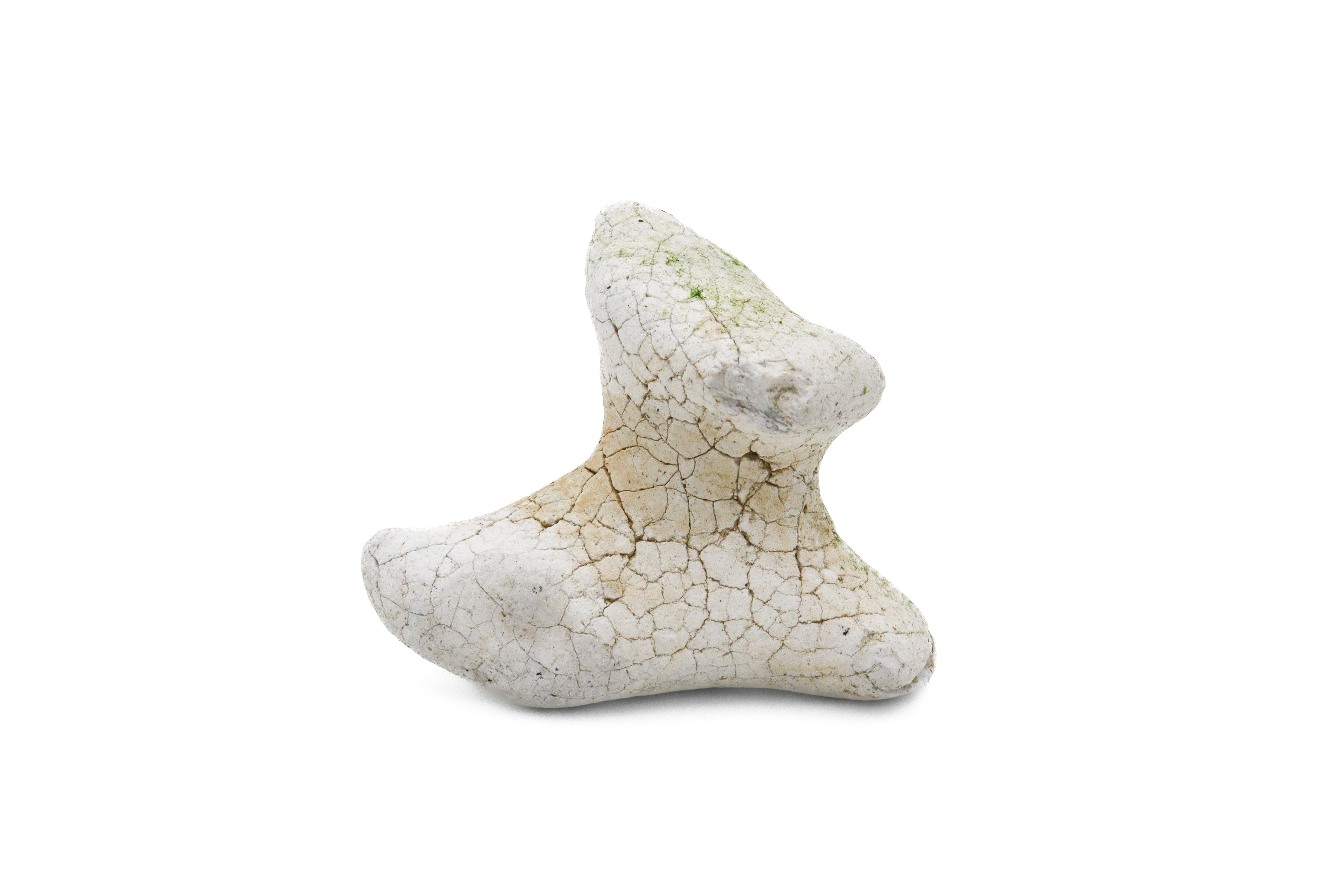
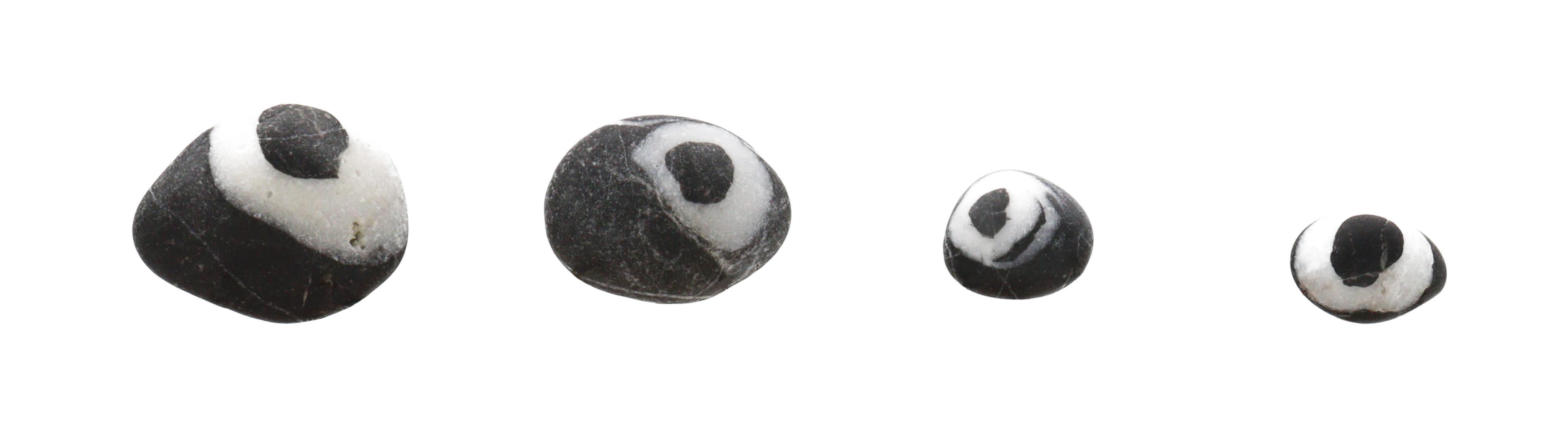
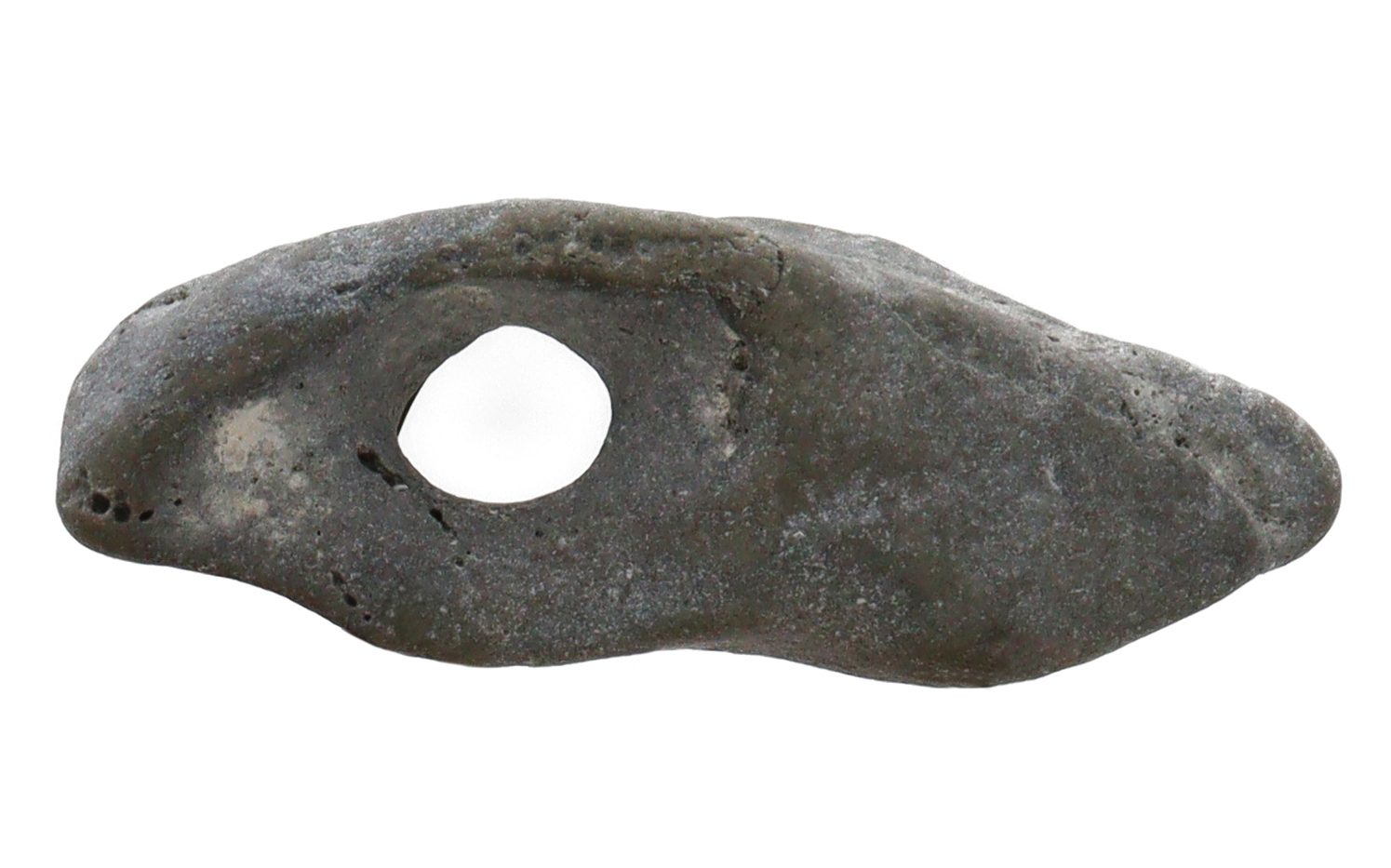
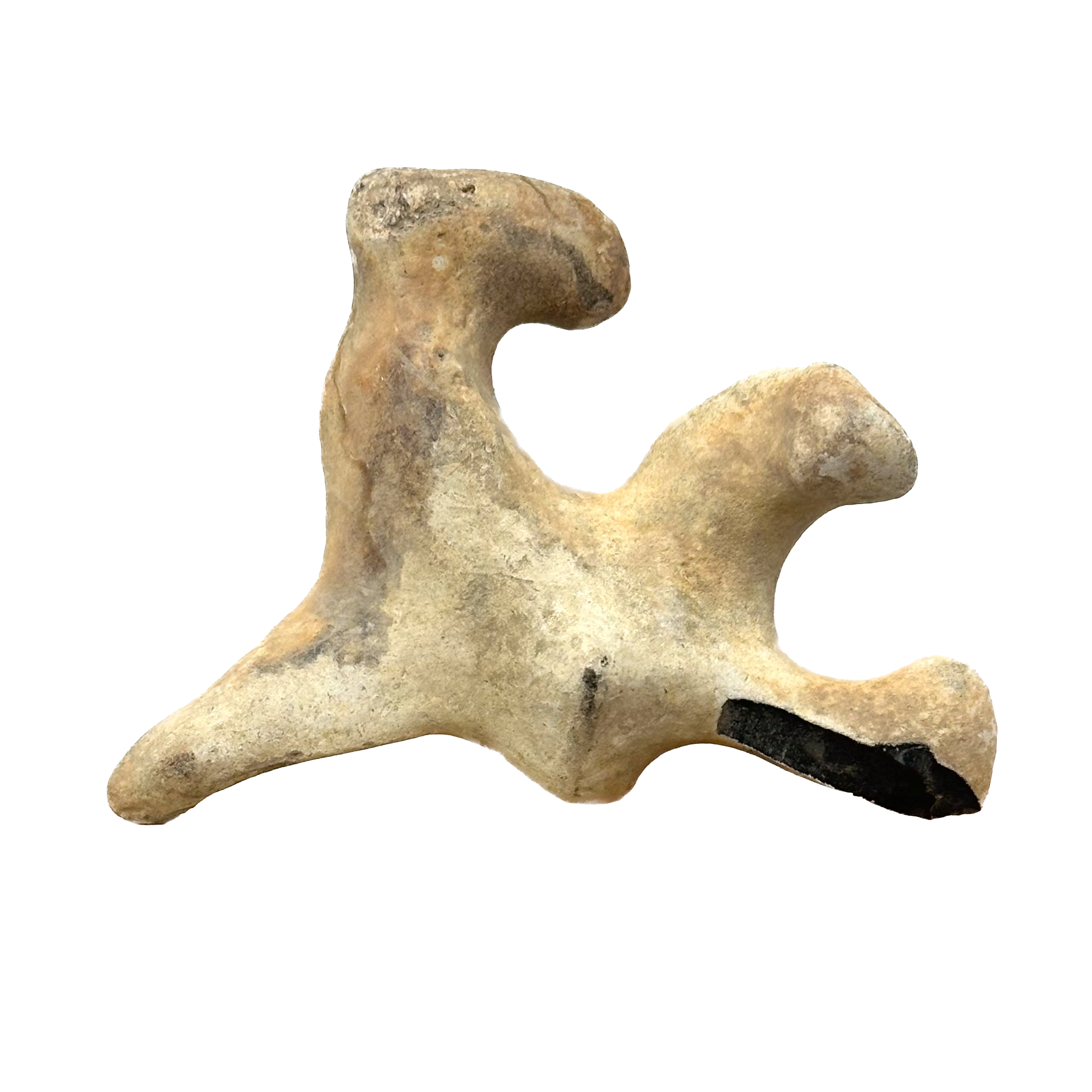
The Museum of Stones contains displays made up of stones. The Museum does not concern itself with stones of geological rarity or monetary value. The Museum contends that every stone is of value. The Museum contends that there are a number of other museums for seeing what would typically be considered “valuable” stones. The Museum exhibits stones whose value is set along a fundamentally different scale.
THE VISITOR
The Museum is designed for those people interested in stones. The Museum believes that, on some level, the majority of people are interested in stones. The Museum wonders if you, yes you, might have a small dish containing stones, somewhere in your home; or a special stone, in a pocket somewhere, or on a windowsill perhaps, collected from a place where there were many stones, but this stone spoke to you particularly, and compelled you to pick it up, and to transport it home, and to keep it, and so you do keep it, even now. The Museum is a collection of many such stones. The Museum confirms that you should, indeed, keep the dish of stones in your home, as a geological record of your own ability to recognise something special. The Museum gladly welcomes the dish of stones into the fold.
THE ETHOS
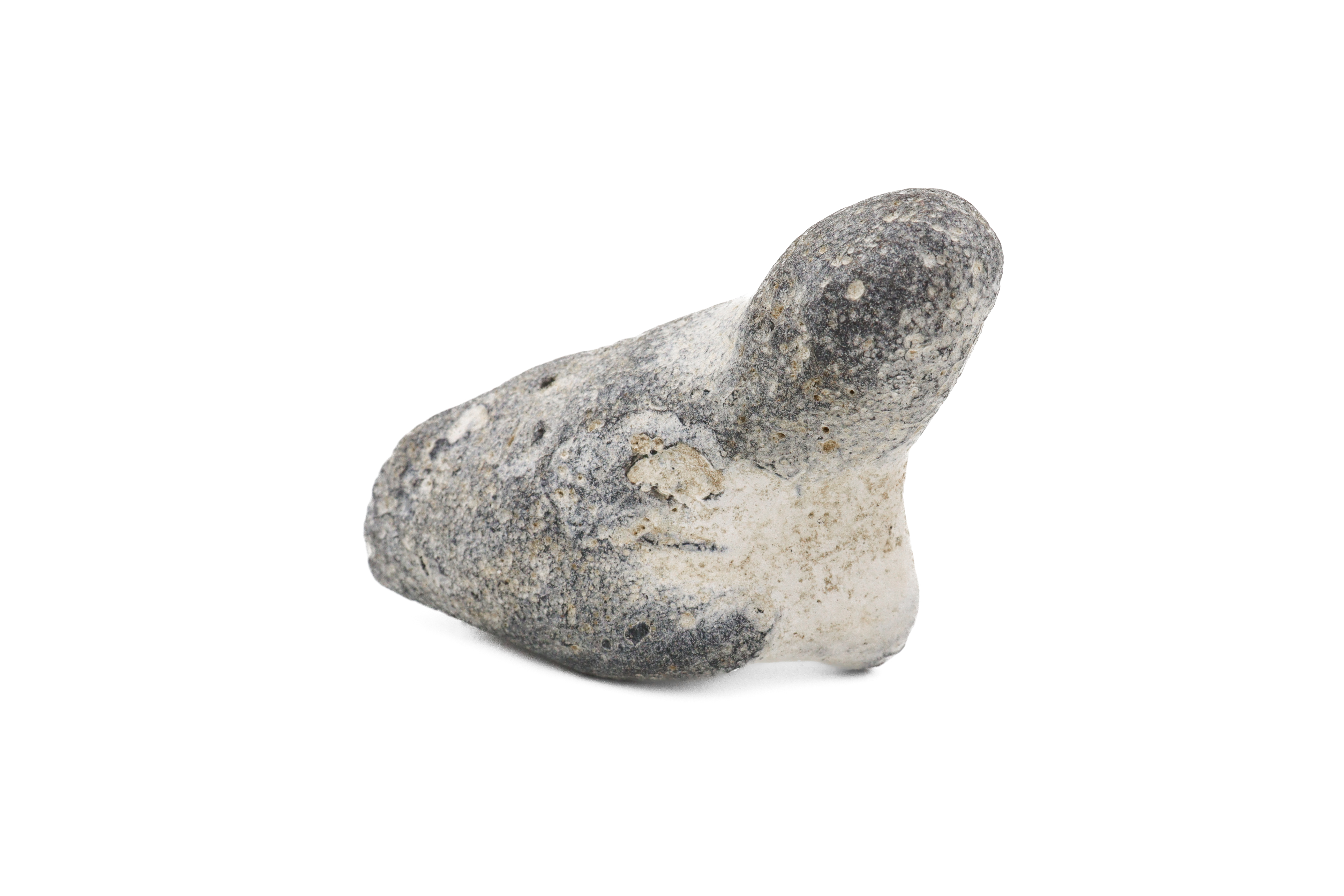
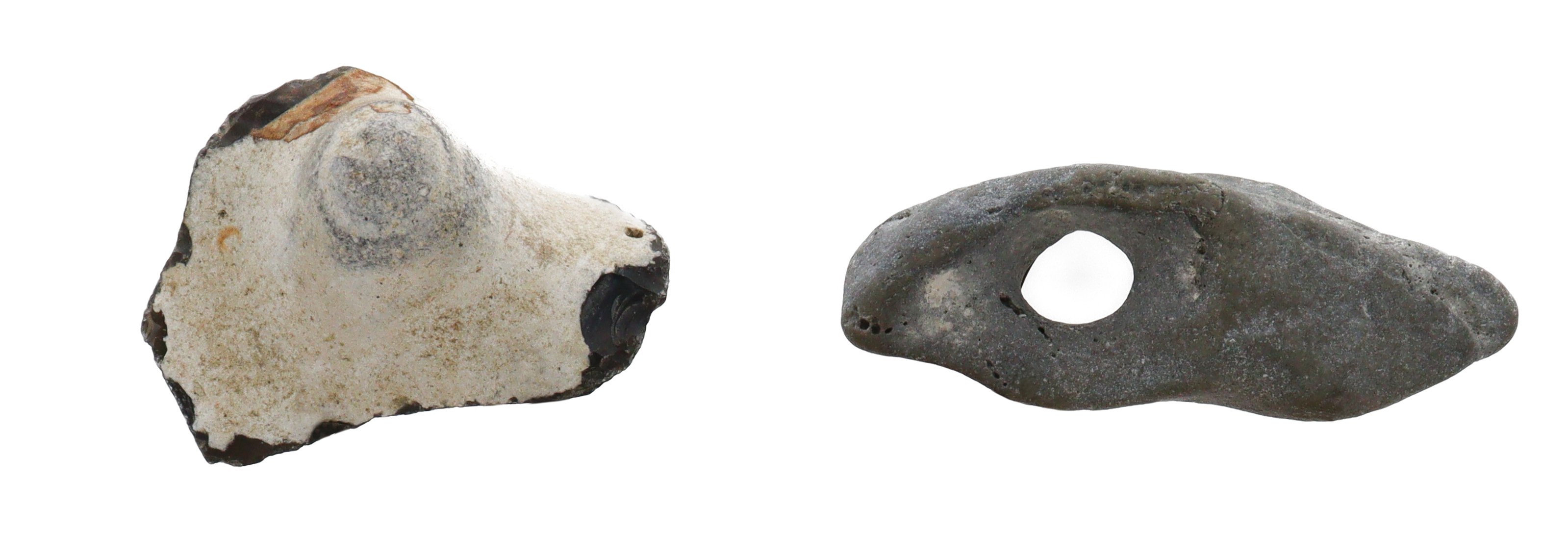
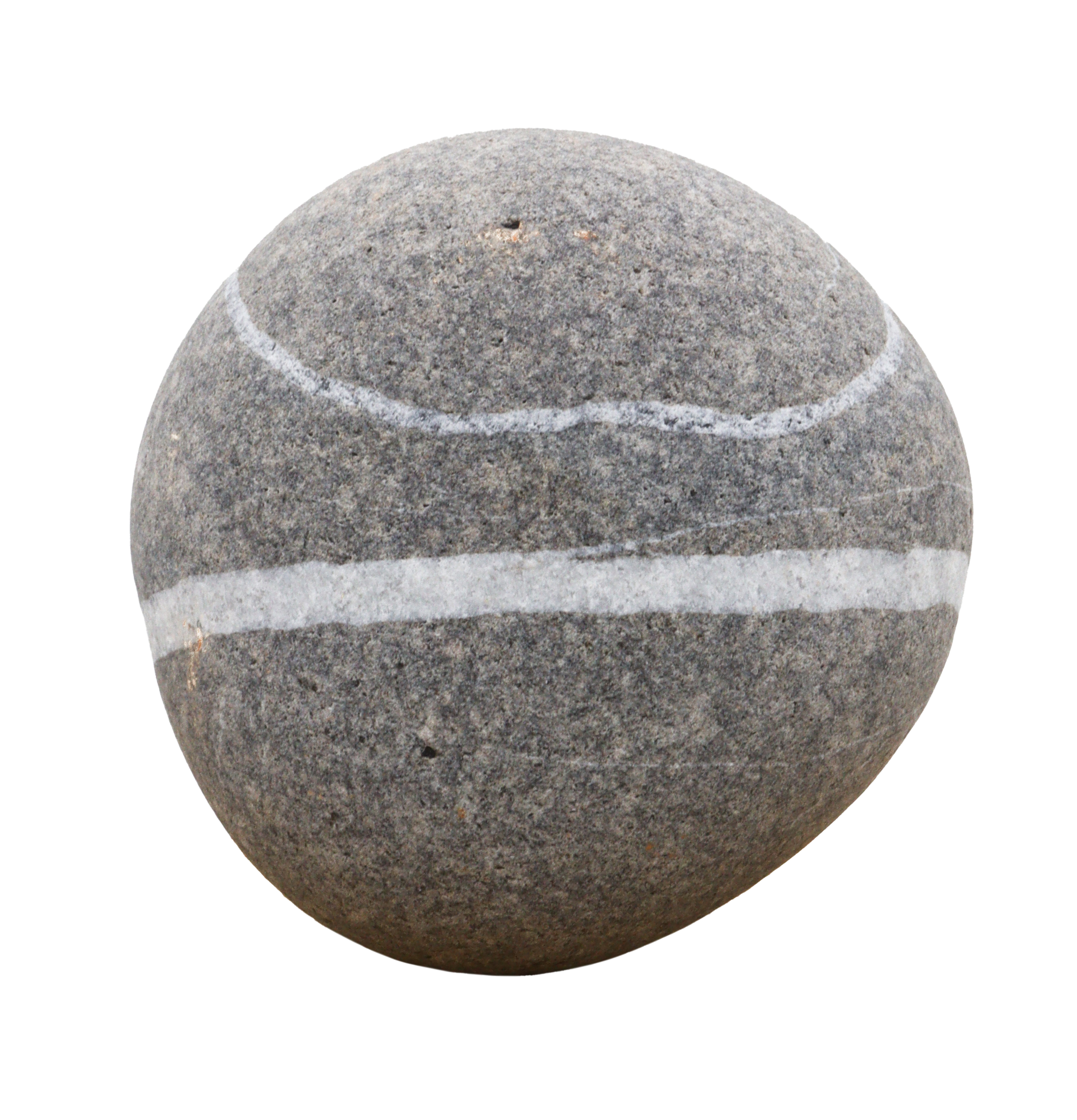
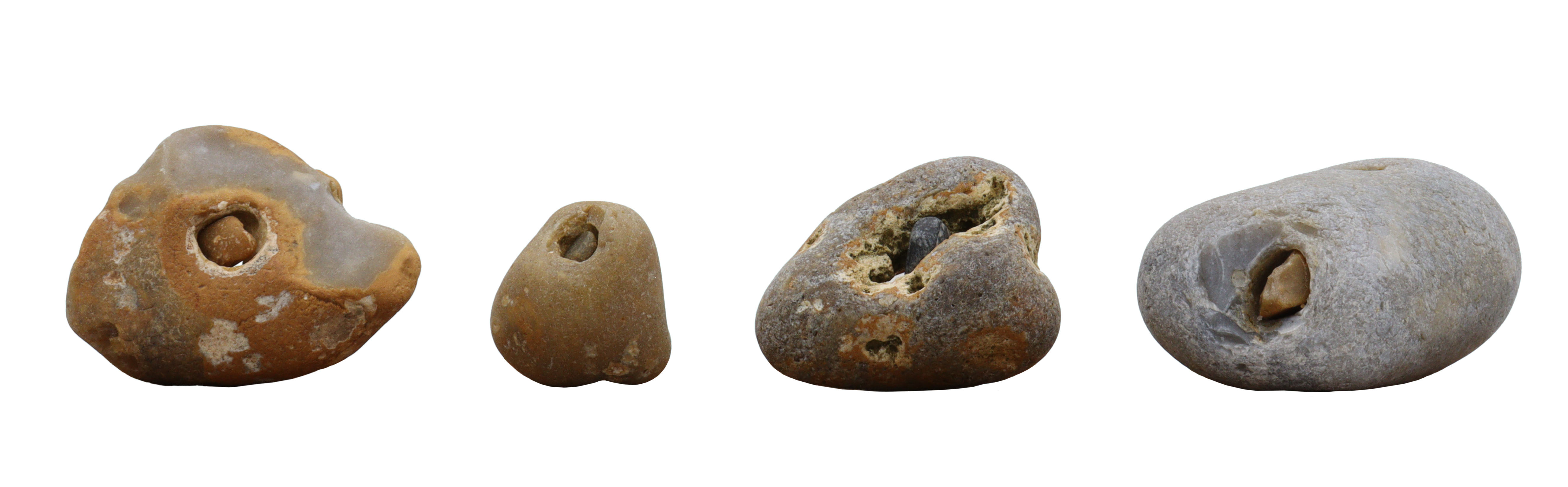
The Museum believes in the beauty of stones. The Museum believes a stone does not need enhancing to be beautiful. The Museum therefore does not display stones that have been shaped, polished, adorned, or otherwise altered by human hands. The Museum defers to the seniority of stones and their ability to shape themselves. The Museum believes that all things, including stones, reveal great depths when examined closely. The Museum believes that stones contain multitudes. The Museum allows for multiple interpretations of all stones in its collections and, further, of all stones everywhere. The Museum is open minded about stones. The Museum is open. The Museum invites you in.
The Museum of Stones Manifesto
THE DISPLAYS
The Museum of Stones contains displays made up of stones. The Museum does not concern itself with stones of geological rarity or monetary value. The Museum contends that every stone is of value. The Museum contends that there are a number of other museums for seeing what would typically be considered “valuable” stones. The Museum exhibits stones whose value is set along a fundamentally different scale.
THE VISITOR
The Museum is designed for those people interested in stones. The Museum believes that, on some level, the majority of people are interested in stones. The Museum wonders if you, yes you, might have a small dish containing stones, somewhere in your home; or a special stone, in a pocket somewhere, or on a windowsill perhaps, collected from a place where there were many stones, but this stone spoke to you particularly, and compelled you to pick it up, and to transport it home, and to keep it, and so you do keep it, even now. The Museum is a collection of many such stones. The Museum confirms that you should, indeed, keep the dish of stones in your home, as a geological record of your own ability to recognise something special. The Museum gladly welcomes the dish of stones into the fold.
THE ETHOS
The Museum believes in the beauty of stones. The Museum believes a stone does not need enhancing to be beautiful. The Museum therefore does not display stones that have been shaped, polished, adorned, or otherwise altered by human hands. The Museum defers to the seniority of stones and their ability to shape themselves. The Museum believes that all things, including stones, reveal great depths when examined closely. The Museum believes that stones contain multitudes. The Museum allows for multiple interpretations of all stones in its collections and, further, of all stones everywhere. The Museum is open minded about stones. The Museum is open. The Museum invites you in.
Kaye Blegvad is an an artist and maker from London, freshly back home after almost ten years in New York. She works across a variety of different media, including ceramics, metalwork, textiles, and print. Kaye designs everything in this shop, and makes most items by hand. You can view her illustration portfolio here.
Visit The Museum at Mondo To Go, Deptford, or The Museum Storehouse at Cafe Mondo, Camberwell. View The Museum of Stones collection here.

BY KAYE BLEGVAD
The Museum of Stones Manifesto
THE DISPLAYS
The Museum of Stones contains displays made up of stones. The Museum does not concern itself with stones of geological rarity or monetary value. The Museum contends that every stone is of value. The Museum contends that there are a number of other museums for seeing what would typically be considered “valuable” stones. The Museum exhibits stones whose value is set along a fundamentally different scale.
THE VISITOR
The Museum is designed for those people interested in stones. The Museum believes that, on some level, the majority of people are interested in stones. The Museum wonders if you, yes you, might have a small dish containing stones, somewhere in your home; or a special stone, in a pocket somewhere, or on a windowsill perhaps, collected from a place where there were many stones, but this stone spoke to you particularly, and compelled you to pick it up, and to transport it home, and to keep it, and so you do keep it, even now. The Museum is a collection of many such stones. The Museum confirms that you should, indeed, keep the dish of stones in your home, as a geological record of your own ability to recognise something special. The Museum gladly welcomes the dish of stones into the fold.
THE ETHOS
The Museum believes in the beauty of stones. The Museum believes a stone does not need enhancing to be beautiful. The Museum therefore does not display stones that have been shaped, polished, adorned, or otherwise altered by human hands. The Museum defers to the seniority of stones and their ability to shape themselves. The Museum believes that all things, including stones, reveal great depths when examined closely. The Museum believes that stones contain multitudes. The Museum allows for multiple interpretations of all stones in its collections and, further, of all stones everywhere. The Museum is open minded about stones. The Museum is open. The Museum invites you in.
The Museum of Stones Manifesto
THE DISPLAYS
The Museum of Stones contains displays made up of stones. The Museum does not concern itself with stones of geological rarity or monetary value. The Museum contends that every stone is of value. The Museum contends that there are a number of other museums for seeing what would typically be considered “valuable” stones. The Museum exhibits stones whose value is set along a fundamentally different scale.
THE VISITOR
The Museum is designed for those people interested in stones. The Museum believes that, on some level, the majority of people are interested in stones. The Museum wonders if you, yes you, might have a small dish containing stones, somewhere in your home; or a special stone, in a pocket somewhere, or on a windowsill perhaps, collected from a place where there were many stones, but this stone spoke to you particularly, and compelled you to pick it up, and to transport it home, and to keep it, and so you do keep it, even now. The Museum is a collection of many such stones. The Museum confirms that you should, indeed, keep the dish of stones in your home, as a geological record of your own ability to recognise something special. The Museum gladly welcomes the dish of stones into the fold.
THE ETHOS
The Museum believes in the beauty of stones. The Museum believes a stone does not need enhancing to be beautiful. The Museum therefore does not display stones that have been shaped, polished, adorned, or otherwise altered by human hands. The Museum defers to the seniority of stones and their ability to shape themselves. The Museum believes that all things, including stones, reveal great depths when examined closely. The Museum believes that stones contain multitudes. The Museum allows for multiple interpretations of all stones in its collections and, further, of all stones everywhere. The Museum is open minded about stones. The Museum is open. The Museum invites you in.
Kaye Blegvad is an an artist and maker from London, freshly back home after almost ten years in New York. She works across a variety of different media, including ceramics, metalwork, textiles, and print. Kaye designs everything in this shop, and makes most items by hand. You can view her illustration portfolio here.
Visit The Museum at Mondo To Go, Deptford, or The Museum Storehouse at Cafe Mondo, Camberwell. View The Museum of Stones collection here.
BY KAYE BLEGVAD
The Museum of Stones Manifesto
THE DISPLAYS
The Museum of Stones contains displays made up of stones. The Museum does not concern itself with stones of geological rarity or monetary value. The Museum contends that every stone is of value. The Museum contends that there are a number of other museums for seeing what would typically be considered “valuable” stones. The Museum exhibits stones whose value is set along a fundamentally different scale.
THE VISITOR
The Museum is designed for those people interested in stones. The Museum believes that, on some level, the majority of people are interested in stones. The Museum wonders if you, yes you, might have a small dish containing stones, somewhere in your home; or a special stone, in a pocket somewhere, or on a windowsill perhaps, collected from a place where there were many stones, but this stone spoke to you particularly, and compelled you to pick it up, and to transport it home, and to keep it, and so you do keep it, even now. The Museum is a collection of many such stones. The Museum confirms that you should, indeed, keep the dish of stones in your home, as a geological record of your own ability to recognise something special. The Museum gladly welcomes the dish of stones into the fold.
THE ETHOS
The Museum believes in the beauty of stones. The Museum believes a stone does not need enhancing to be beautiful. The Museum therefore does not display stones that have been shaped, polished, adorned, or otherwise altered by human hands. The Museum defers to the seniority of stones and their ability to shape themselves. The Museum believes that all things, including stones, reveal great depths when examined closely. The Museum believes that stones contain multitudes. The Museum allows for multiple interpretations of all stones in its collections and, further, of all stones everywhere. The Museum is open minded about stones. The Museum is open. The Museum invites you in.
The Museum of Stones Manifesto
THE DISPLAYS
The Museum of Stones contains displays made up of stones. The Museum does not concern itself with stones of geological rarity or monetary value. The Museum contends that every stone is of value. The Museum contends that there are a number of other museums for seeing what would typically be considered “valuable” stones. The Museum exhibits stones whose value is set along a fundamentally different scale.
THE VISITOR
The Museum is designed for those people interested in stones. The Museum believes that, on some level, the majority of people are interested in stones. The Museum wonders if you, yes you, might have a small dish containing stones, somewhere in your home; or a special stone, in a pocket somewhere, or on a windowsill perhaps, collected from a place where there were many stones, but this stone spoke to you particularly, and compelled you to pick it up, and to transport it home, and to keep it, and so you do keep it, even now. The Museum is a collection of many such stones. The Museum confirms that you should, indeed, keep the dish of stones in your home, as a geological record of your own ability to recognise something special. The Museum gladly welcomes the dish of stones into the fold.
THE ETHOS
The Museum believes in the beauty of stones. The Museum believes a stone does not need enhancing to be beautiful. The Museum therefore does not display stones that have been shaped, polished, adorned, or otherwise altered by human hands. The Museum defers to the seniority of stones and their ability to shape themselves. The Museum believes that all things, including stones, reveal great depths when examined closely. The Museum believes that stones contain multitudes. The Museum allows for multiple interpretations of all stones in its collections and, further, of all stones everywhere. The Museum is open minded about stones. The Museum is open. The Museum invites you in.
Kaye Blegvad is an an artist and maker from London, freshly back home after almost ten years in New York. She works across a variety of different media, including ceramics, metalwork, textiles, and print. Kaye designs everything in this shop, and makes most items by hand. You can view her illustration portfolio here.
Visit The Museum at Mondo To Go, Deptford, or The Museum Storehouse at Cafe Mondo, Camberwell. View The Museum of Stones collection here.
BY KAYE BLEGVAD
The Museum of Stones Manifesto
THE DISPLAYS
The Museum of Stones contains displays made up of stones. The Museum does not concern itself with stones of geological rarity or monetary value. The Museum contends that every stone is of value. The Museum contends that there are a number of other museums for seeing what would typically be considered “valuable” stones. The Museum exhibits stones whose value is set along a fundamentally different scale.
THE VISITOR
The Museum is designed for those people interested in stones. The Museum believes that, on some level, the majority of people are interested in stones. The Museum wonders if you, yes you, might have a small dish containing stones, somewhere in your home; or a special stone, in a pocket somewhere, or on a windowsill perhaps, collected from a place where there were many stones, but this stone spoke to you particularly, and compelled you to pick it up, and to transport it home, and to keep it, and so you do keep it, even now. The Museum is a collection of many such stones. The Museum confirms that you should, indeed, keep the dish of stones in your home, as a geological record of your own ability to recognise something special. The Museum gladly welcomes the dish of stones into the fold.
THE ETHOS
The Museum believes in the beauty of stones. The Museum believes a stone does not need enhancing to be beautiful. The Museum therefore does not display stones that have been shaped, polished, adorned, or otherwise altered by human hands. The Museum defers to the seniority of stones and their ability to shape themselves. The Museum believes that all things, including stones, reveal great depths when examined closely. The Museum believes that stones contain multitudes. The Museum allows for multiple interpretations of all stones in its collections and, further, of all stones everywhere. The Museum is open minded about stones. The Museum is open. The Museum invites you in.
The Museum of Stones Manifesto
THE DISPLAYS
The Museum of Stones contains displays made up of stones. The Museum does not concern itself with stones of geological rarity or monetary value. The Museum contends that every stone is of value. The Museum contends that there are a number of other museums for seeing what would typically be considered “valuable” stones. The Museum exhibits stones whose value is set along a fundamentally different scale.
THE VISITOR
The Museum is designed for those people interested in stones. The Museum believes that, on some level, the majority of people are interested in stones. The Museum wonders if you, yes you, might have a small dish containing stones, somewhere in your home; or a special stone, in a pocket somewhere, or on a windowsill perhaps, collected from a place where there were many stones, but this stone spoke to you particularly, and compelled you to pick it up, and to transport it home, and to keep it, and so you do keep it, even now. The Museum is a collection of many such stones. The Museum confirms that you should, indeed, keep the dish of stones in your home, as a geological record of your own ability to recognise something special. The Museum gladly welcomes the dish of stones into the fold.
THE ETHOS
The Museum believes in the beauty of stones. The Museum believes a stone does not need enhancing to be beautiful. The Museum therefore does not display stones that have been shaped, polished, adorned, or otherwise altered by human hands. The Museum defers to the seniority of stones and their ability to shape themselves. The Museum believes that all things, including stones, reveal great depths when examined closely. The Museum believes that stones contain multitudes. The Museum allows for multiple interpretations of all stones in its collections and, further, of all stones everywhere. The Museum is open minded about stones. The Museum is open. The Museum invites you in.
Kaye Blegvad is an an artist and maker from London, freshly back home after almost ten years in New York. She works across a variety of different media, including ceramics, metalwork, textiles, and print. Kaye designs everything in this shop, and makes most items by hand. You can view her illustration portfolio here.
Visit The Museum at Mondo To Go, Deptford, or The Museum Storehouse at Cafe Mondo, Camberwell. View The Museum of Stones collection here.