BY BERNAT CUNI
Project description:
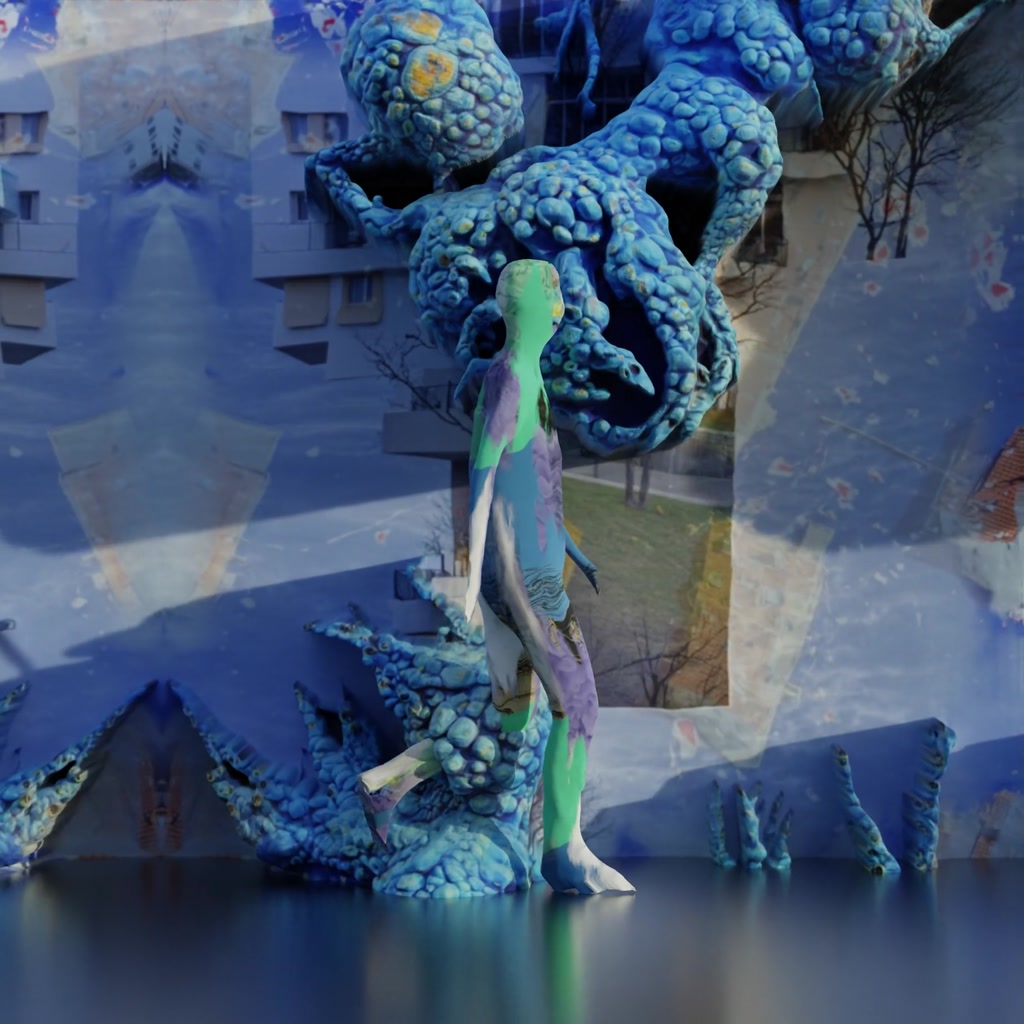
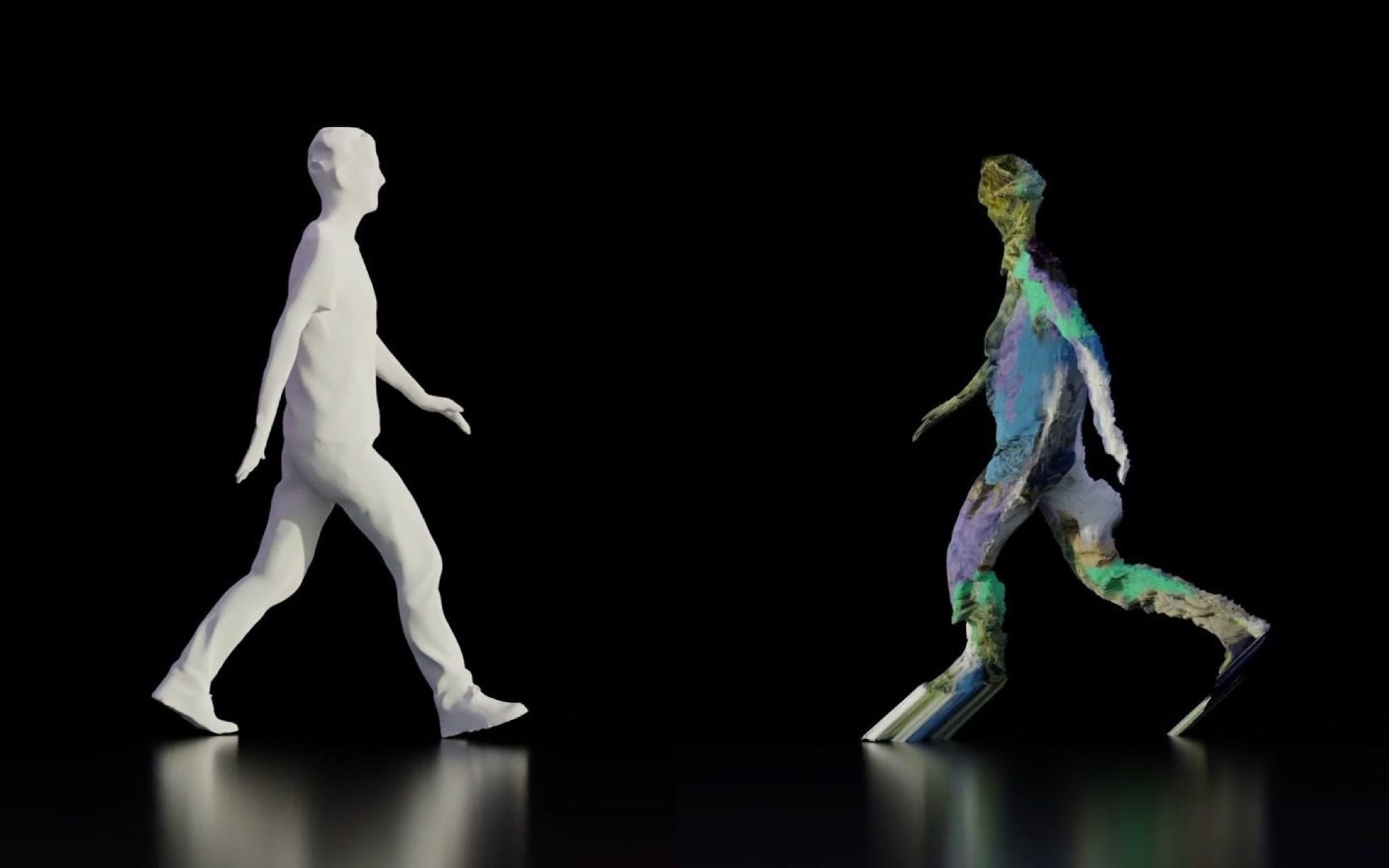
VR TERROIR challenges the standardization of digital culture by creating hyperlocal avatars that absorb and are shaped by their environments, carrying their “lived experiences” like terroir. The objective is to visualise how context (including data, textures, and local inputs) can alter a digital identity.
Often, virtual representations of users in digital contexts are treated as static assets and limited to predictable and controllable formal and behavioural parameters that fit within the rigid walled gardens of the four big tech.
VR Terroir challenges this by proposing systems that are rooted in their specific location, history, and context.
Research question
- How can digital identities be shaped by their environmental context rather than standardized templates or intentional choices?
Outcomes
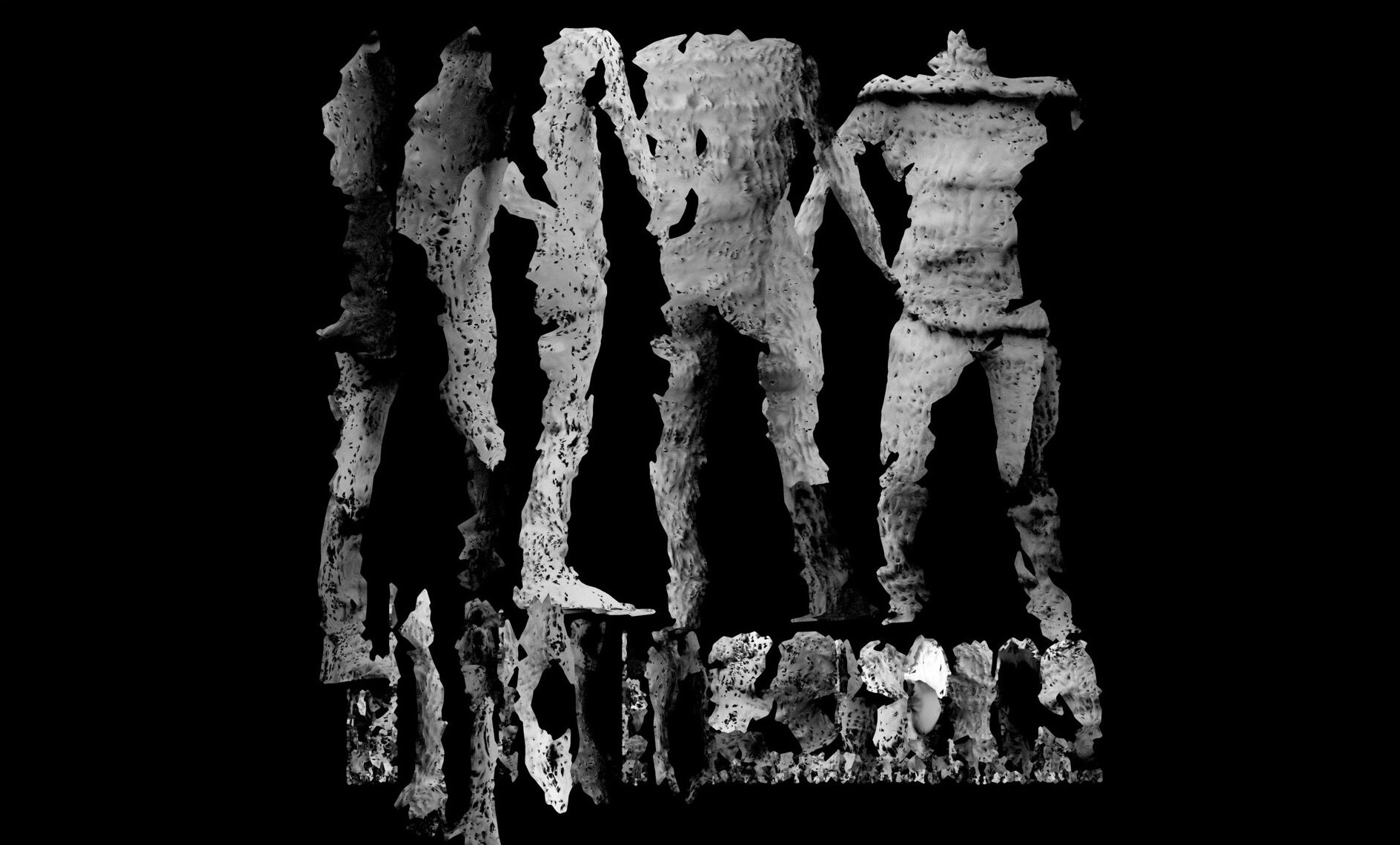
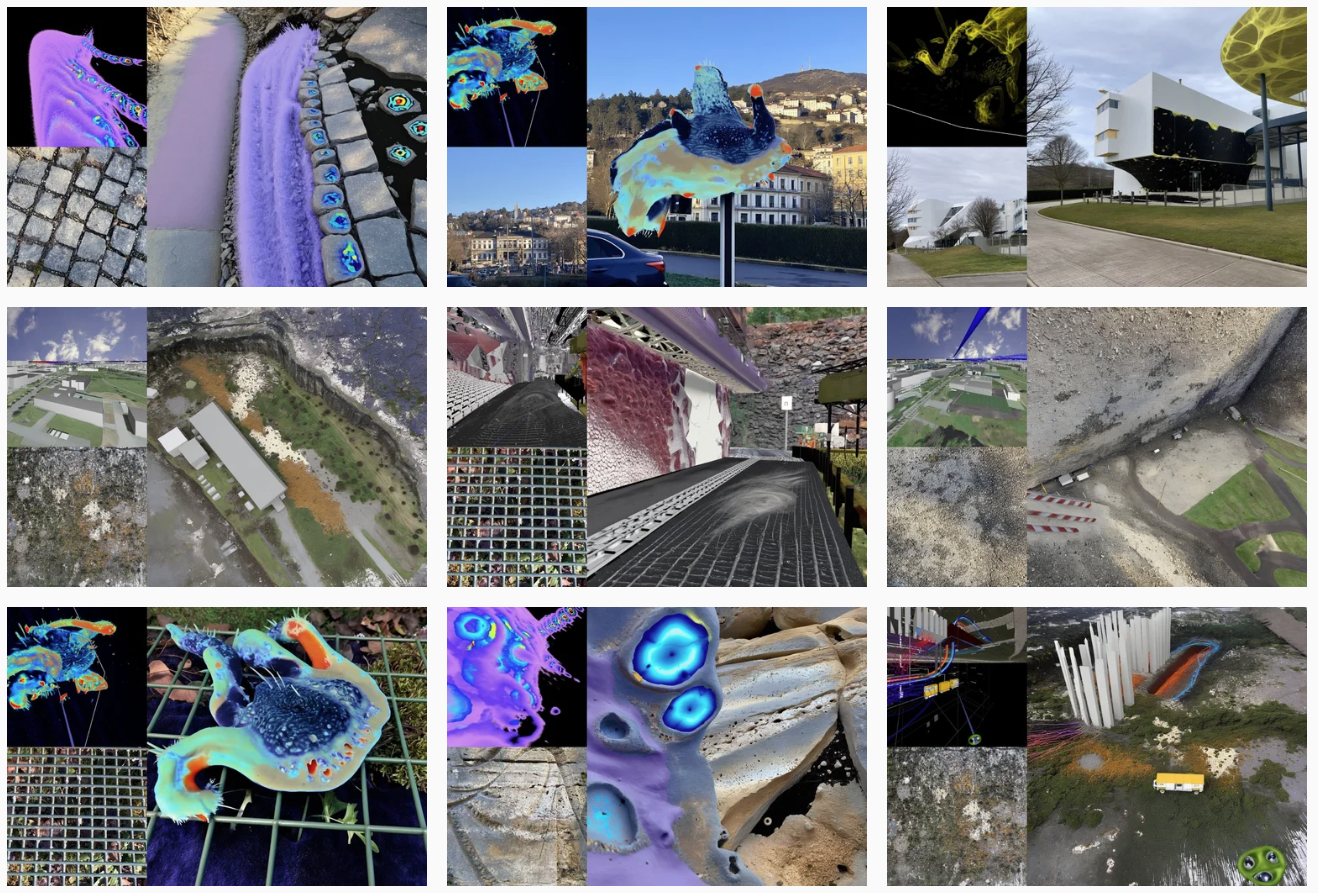
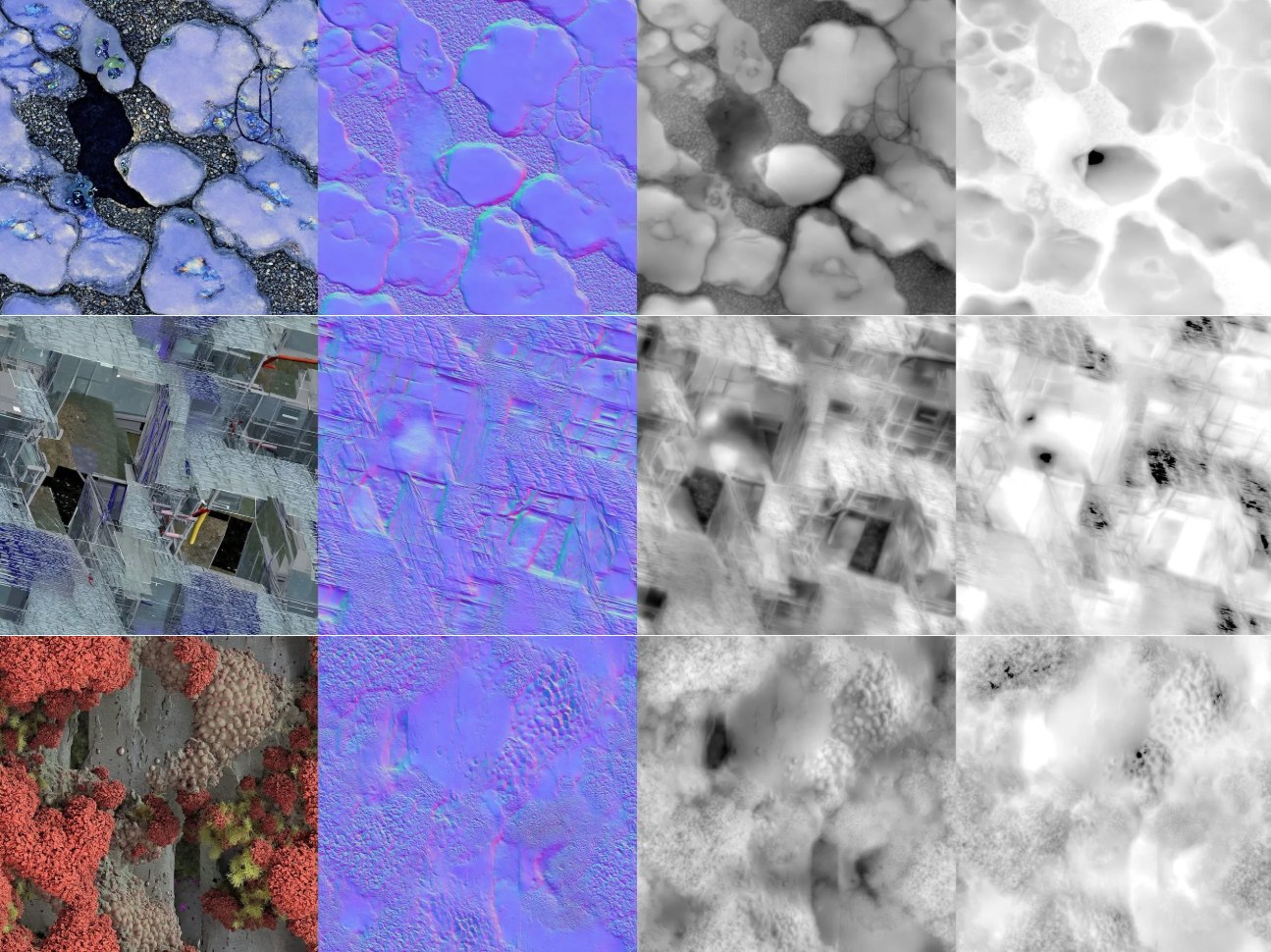
- The work is a video installation of a character going through an environment made by synthetic materials created with HLRS scientific visualization data and Stuttgart's physical environment. It is presented in a mounted frame on a 75” display together with fabrics of different layers of the unwrapped skin of the resulting avatar.
- The project also proposes a participatory workshop to research and reflect on the algorithmic representation of a place (i.e how google broadcasts it? How does AI synthetises it? How mis/sub/over/represented is something?).
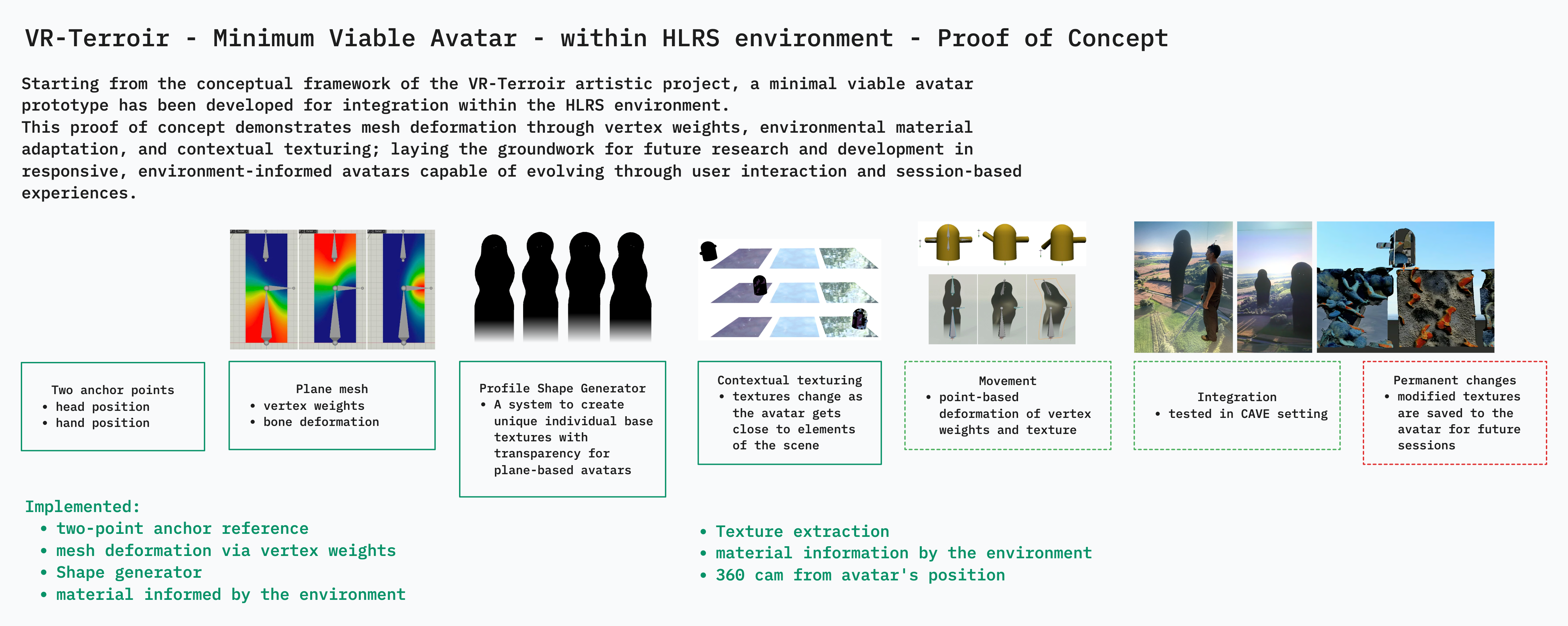
- With this vision and approach, together with the super computing center we developed a working prototype within the pipelines and constraints of HLRS, and a research paper that opens a direction for the creation of context-aware avatars.
Project description:
VR TERROIR challenges the standardization of digital culture by creating hyperlocal avatars that absorb and are shaped by their environments, carrying their “lived experiences” like terroir. The objective is to visualise how context (including data, textures, and local inputs) can alter a digital identity.
Often, virtual representations of users in digital contexts are treated as static assets and limited to predictable and controllable formal and behavioural parameters that fit within the rigid walled gardens of the four big tech.
VR Terroir challenges this by proposing systems that are rooted in their specific location, history, and context.
Research question
- How can digital identities be shaped by their environmental context rather than standardized templates or intentional choices?
Outcomes
- The work is a video installation of a character going through an environment made by synthetic materials created with HLRS scientific visualization data and Stuttgart's physical environment. It is presented in a mounted frame on a 75” display together with fabrics of different layers of the unwrapped skin of the resulting avatar.
- The project also proposes a participatory workshop to research and reflect on the algorithmic representation of a place (i.e how google broadcasts it? How does AI synthetises it? How mis/sub/over/represented is something?).
- With this vision and approach, together with the super computing center we developed a working prototype within the pipelines and constraints of HLRS, and a research paper that opens a direction for the creation of context-aware avatars.
Cunicode is a collaborative design lab that assembles skilled individuals and service providers to form the ideal team for each project. Leveraging an expanding network of tech centers and production hubs. Founded in 2011 by Bernat Cuni, artist and designer with expertise in design research, eco-design, and entrepreneurship,

BY BERNAT CUNI
Project description:
VR TERROIR challenges the standardization of digital culture by creating hyperlocal avatars that absorb and are shaped by their environments, carrying their “lived experiences” like terroir. The objective is to visualise how context (including data, textures, and local inputs) can alter a digital identity.
Often, virtual representations of users in digital contexts are treated as static assets and limited to predictable and controllable formal and behavioural parameters that fit within the rigid walled gardens of the four big tech.
VR Terroir challenges this by proposing systems that are rooted in their specific location, history, and context.
Research question
- How can digital identities be shaped by their environmental context rather than standardized templates or intentional choices?
Outcomes
- The work is a video installation of a character going through an environment made by synthetic materials created with HLRS scientific visualization data and Stuttgart's physical environment. It is presented in a mounted frame on a 75” display together with fabrics of different layers of the unwrapped skin of the resulting avatar.
- The project also proposes a participatory workshop to research and reflect on the algorithmic representation of a place (i.e how google broadcasts it? How does AI synthetises it? How mis/sub/over/represented is something?).
- With this vision and approach, together with the super computing center we developed a working prototype within the pipelines and constraints of HLRS, and a research paper that opens a direction for the creation of context-aware avatars.
Project description:
VR TERROIR challenges the standardization of digital culture by creating hyperlocal avatars that absorb and are shaped by their environments, carrying their “lived experiences” like terroir. The objective is to visualise how context (including data, textures, and local inputs) can alter a digital identity.
Often, virtual representations of users in digital contexts are treated as static assets and limited to predictable and controllable formal and behavioural parameters that fit within the rigid walled gardens of the four big tech.
VR Terroir challenges this by proposing systems that are rooted in their specific location, history, and context.
Research question
- How can digital identities be shaped by their environmental context rather than standardized templates or intentional choices?
Outcomes
- The work is a video installation of a character going through an environment made by synthetic materials created with HLRS scientific visualization data and Stuttgart's physical environment. It is presented in a mounted frame on a 75” display together with fabrics of different layers of the unwrapped skin of the resulting avatar.
- The project also proposes a participatory workshop to research and reflect on the algorithmic representation of a place (i.e how google broadcasts it? How does AI synthetises it? How mis/sub/over/represented is something?).
- With this vision and approach, together with the super computing center we developed a working prototype within the pipelines and constraints of HLRS, and a research paper that opens a direction for the creation of context-aware avatars.
Cunicode is a collaborative design lab that assembles skilled individuals and service providers to form the ideal team for each project. Leveraging an expanding network of tech centers and production hubs. Founded in 2011 by Bernat Cuni, artist and designer with expertise in design research, eco-design, and entrepreneurship,
BY BERNAT CUNI
Project description:
VR TERROIR challenges the standardization of digital culture by creating hyperlocal avatars that absorb and are shaped by their environments, carrying their “lived experiences” like terroir. The objective is to visualise how context (including data, textures, and local inputs) can alter a digital identity.
Often, virtual representations of users in digital contexts are treated as static assets and limited to predictable and controllable formal and behavioural parameters that fit within the rigid walled gardens of the four big tech.
VR Terroir challenges this by proposing systems that are rooted in their specific location, history, and context.
Research question
- How can digital identities be shaped by their environmental context rather than standardized templates or intentional choices?
Outcomes
- The work is a video installation of a character going through an environment made by synthetic materials created with HLRS scientific visualization data and Stuttgart's physical environment. It is presented in a mounted frame on a 75” display together with fabrics of different layers of the unwrapped skin of the resulting avatar.
- The project also proposes a participatory workshop to research and reflect on the algorithmic representation of a place (i.e how google broadcasts it? How does AI synthetises it? How mis/sub/over/represented is something?).
- With this vision and approach, together with the super computing center we developed a working prototype within the pipelines and constraints of HLRS, and a research paper that opens a direction for the creation of context-aware avatars.
Project description:
VR TERROIR challenges the standardization of digital culture by creating hyperlocal avatars that absorb and are shaped by their environments, carrying their “lived experiences” like terroir. The objective is to visualise how context (including data, textures, and local inputs) can alter a digital identity.
Often, virtual representations of users in digital contexts are treated as static assets and limited to predictable and controllable formal and behavioural parameters that fit within the rigid walled gardens of the four big tech.
VR Terroir challenges this by proposing systems that are rooted in their specific location, history, and context.
Research question
- How can digital identities be shaped by their environmental context rather than standardized templates or intentional choices?
Outcomes
- The work is a video installation of a character going through an environment made by synthetic materials created with HLRS scientific visualization data and Stuttgart's physical environment. It is presented in a mounted frame on a 75” display together with fabrics of different layers of the unwrapped skin of the resulting avatar.
- The project also proposes a participatory workshop to research and reflect on the algorithmic representation of a place (i.e how google broadcasts it? How does AI synthetises it? How mis/sub/over/represented is something?).
- With this vision and approach, together with the super computing center we developed a working prototype within the pipelines and constraints of HLRS, and a research paper that opens a direction for the creation of context-aware avatars.
Cunicode is a collaborative design lab that assembles skilled individuals and service providers to form the ideal team for each project. Leveraging an expanding network of tech centers and production hubs. Founded in 2011 by Bernat Cuni, artist and designer with expertise in design research, eco-design, and entrepreneurship,
BY BERNAT CUNI
Project description:
VR TERROIR challenges the standardization of digital culture by creating hyperlocal avatars that absorb and are shaped by their environments, carrying their “lived experiences” like terroir. The objective is to visualise how context (including data, textures, and local inputs) can alter a digital identity.
Often, virtual representations of users in digital contexts are treated as static assets and limited to predictable and controllable formal and behavioural parameters that fit within the rigid walled gardens of the four big tech.
VR Terroir challenges this by proposing systems that are rooted in their specific location, history, and context.
Research question
- How can digital identities be shaped by their environmental context rather than standardized templates or intentional choices?
Outcomes
- The work is a video installation of a character going through an environment made by synthetic materials created with HLRS scientific visualization data and Stuttgart's physical environment. It is presented in a mounted frame on a 75” display together with fabrics of different layers of the unwrapped skin of the resulting avatar.
- The project also proposes a participatory workshop to research and reflect on the algorithmic representation of a place (i.e how google broadcasts it? How does AI synthetises it? How mis/sub/over/represented is something?).
- With this vision and approach, together with the super computing center we developed a working prototype within the pipelines and constraints of HLRS, and a research paper that opens a direction for the creation of context-aware avatars.
Project description:
VR TERROIR challenges the standardization of digital culture by creating hyperlocal avatars that absorb and are shaped by their environments, carrying their “lived experiences” like terroir. The objective is to visualise how context (including data, textures, and local inputs) can alter a digital identity.
Often, virtual representations of users in digital contexts are treated as static assets and limited to predictable and controllable formal and behavioural parameters that fit within the rigid walled gardens of the four big tech.
VR Terroir challenges this by proposing systems that are rooted in their specific location, history, and context.
Research question
- How can digital identities be shaped by their environmental context rather than standardized templates or intentional choices?
Outcomes
- The work is a video installation of a character going through an environment made by synthetic materials created with HLRS scientific visualization data and Stuttgart's physical environment. It is presented in a mounted frame on a 75” display together with fabrics of different layers of the unwrapped skin of the resulting avatar.
- The project also proposes a participatory workshop to research and reflect on the algorithmic representation of a place (i.e how google broadcasts it? How does AI synthetises it? How mis/sub/over/represented is something?).
- With this vision and approach, together with the super computing center we developed a working prototype within the pipelines and constraints of HLRS, and a research paper that opens a direction for the creation of context-aware avatars.
Cunicode is a collaborative design lab that assembles skilled individuals and service providers to form the ideal team for each project. Leveraging an expanding network of tech centers and production hubs. Founded in 2011 by Bernat Cuni, artist and designer with expertise in design research, eco-design, and entrepreneurship,